Archives
- 2026-06
- 2026-05
- 2026-04
- 2026-03
- 2026-02
- 2026-01
- 2025-12
- 2025-11
- 2025-10
- 2025-09
- 2025-03
- 2025-02
- 2025-01
- 2024-12
- 2024-11
- 2024-10
- 2024-09
- 2024-08
- 2024-07
- 2024-06
- 2024-05
- 2024-04
- 2024-03
- 2024-02
- 2024-01
- 2023-12
- 2023-11
- 2023-10
- 2023-09
- 2023-08
- 2023-07
- 2023-06
- 2023-05
- 2023-04
- 2023-03
- 2023-02
- 2023-01
- 2022-12
- 2022-11
- 2022-10
- 2022-09
- 2022-08
- 2022-07
- 2022-06
- 2022-05
- 2022-04
- 2022-03
- 2022-02
- 2022-01
- 2021-12
- 2021-11
- 2021-10
- 2021-09
- 2021-08
- 2021-07
- 2021-06
- 2021-05
- 2021-04
- 2021-03
- 2021-02
- 2021-01
- 2020-12
- 2020-11
- 2020-10
- 2020-09
- 2020-08
- 2020-07
- 2020-06
- 2020-05
- 2020-04
- 2020-03
- 2020-02
- 2020-01
- 2019-12
- 2019-11
- 2019-10
- 2019-09
- 2019-08
- 2019-07
- 2019-06
- 2019-05
- 2019-04
- 2018-07
-
On the other hand the
2019-10-30

On the other hand, the IL-8 promoter activity induced by the signalling cascade of the CysLT1-G300S receptor is higher than that of the WT receptor. The chemokine IL-8 is mainly involved in the recruitment and activation of neutrophils and we have previously shown that this chemokine gene is a targe
-
Preliminary studies evidenced the presence of CRFr in gamma
2019-10-30

Preliminary studies evidenced the presence of CRFr in gamma-aminobutyric acid-ergic (GABAergic) neurons of the hippocampus (Yan et al., 1998). In fact, in this TC-I 2000 area, CRF inhibits glutamate release through CRF1r (Bagosi et al., 2015), leading to a decrease in the GABA concentration in the h
-
In addition to PDCA we also tested other broad
2019-10-30
In addition to 2,4-PDCA, we also tested other broad-spectrum 2OG oxygenase inhibitors as vCPH inhibitors. N-Oxalyl glycine (NOG, IC50 = 21.2 ± 2.1 µM), a close 2OG isostere, and IOX1 (IC50 = 47.2 ± 2.7 µM), which is a relatively broad-spectrum JmjC demethylase inhibitor, were not as potent in inhibi
-
br Results and discussion br Conclusion This
2019-10-30
Results and discussion Conclusion This study describes the development of a highly sensitive on-sorbent derivatisation technique, using the novel high-surface area CMV devices, to sample methamphetamine vapour. Previous methods for air sampling for methamphetamine such as sampling cassettes ha
-
MoAbs targeting the tumourigenic pathways such
2019-10-30
MoAbs targeting the tumourigenic pathways, such as IGF-1R may theoretically have a dual working mechanism. On the one hand they block pathways having an anti-tumour working mechanism, and on the other hand they may also stimulate an immunological response inducing a reaction of the patients own immu
-
The most significant source of DAG originates from the PLC
2019-10-30

The most significant source of DAG originates from the PLC family of enzymes, which produces DAG in an agonist-regulated reaction. PLCs constitute a wide family of enzymes acting on both phosphatidilinositols (PI) and phosphatidilcoline (PC) (Li et al., 2010) in the plasma membrane and other intrace
-
Kuo et al Have shown
2019-10-30
Kuo et al. (2006) Have shown that DAPK1 function in inhibiting microtubule (MT) assembly is through the activation of microtubule affinity-regulating kinases (MARK)/PAR-1 family kinases MARK1/2, which destabilize MT by phosphorylating tau and related MAP2/4. This relation with DAPK1 has demonstrated
-
br Results and discussion br Conclusion In the current study
2019-10-29
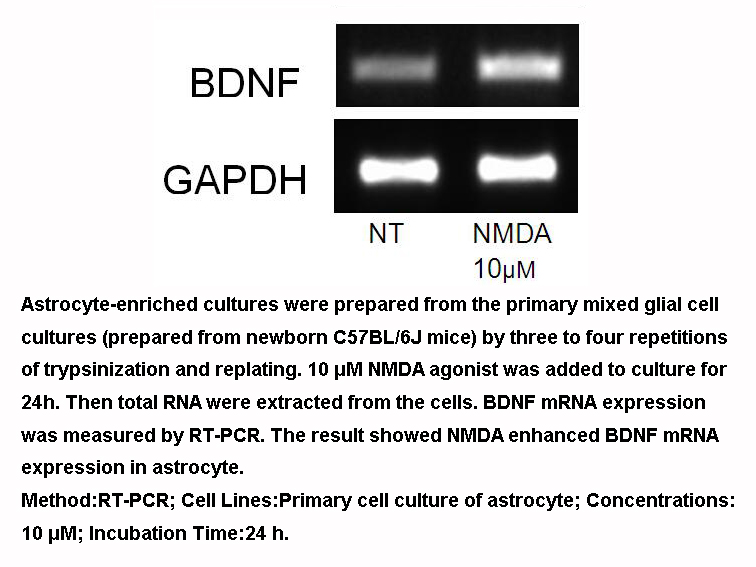
Results and discussion Conclusion In the current study, a series of novel ‘open-chain’ classes of E. coli PDHc E1 inhibitors, N-acylhydrazone pyrimidine derivatives A, B, and C were designed and synthesized. As novel ThDP analogs, all A displayed moderate to powerful inhibitory activity with I
-
Dihydrofolate reductase DHFR is an excellent molecular targe
2019-10-29
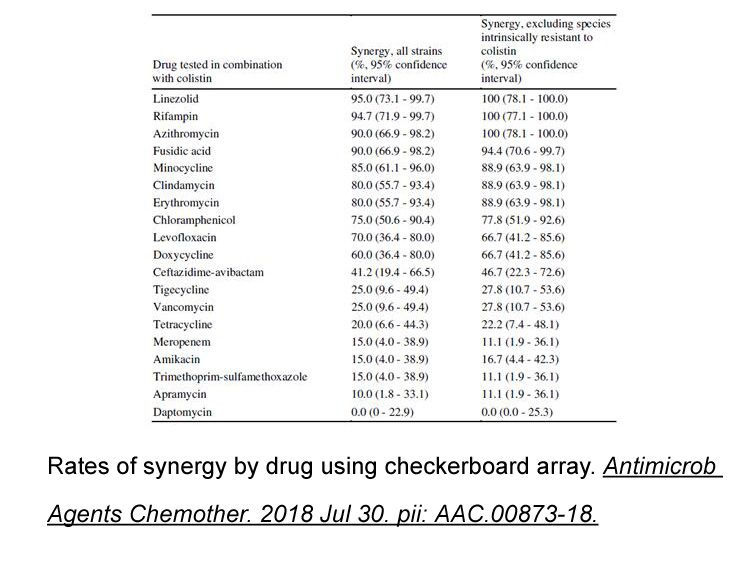
Dihydrofolate reductase (DHFR) is an excellent molecular target for this study because it has been and is currently studied by using different molecular modeling techniques [6], [7], [8], [9]. Kerrigan et al. have reported an interesting review about recent progress in molecular dynamics simulations
-
br Materials and methods br Results br Discussion
2019-10-29

Materials and methods Results Discussion The first DGAT1 gene was described in the mouse in 1998 [28], and a few years later DGAT2 was identified from the oleaginous fungus Mortierella ramanniana[29]. Although both of them are known as the primary enzymes for de novo TAG biosynthesis, they
-
purinergic receptor We also evaluated the influence of the n
2019-10-29

We also evaluated the influence of the number of CYP3A variant purinergic receptor (n=0 to 3) on the modifying effects on MDI and PDI. No clear allele dosage effect could be observed (data not shown). Discussion Prior reports for all four populations showed that an increase in prenatal Hg was n
-
T cell infiltration is an important
2019-10-29
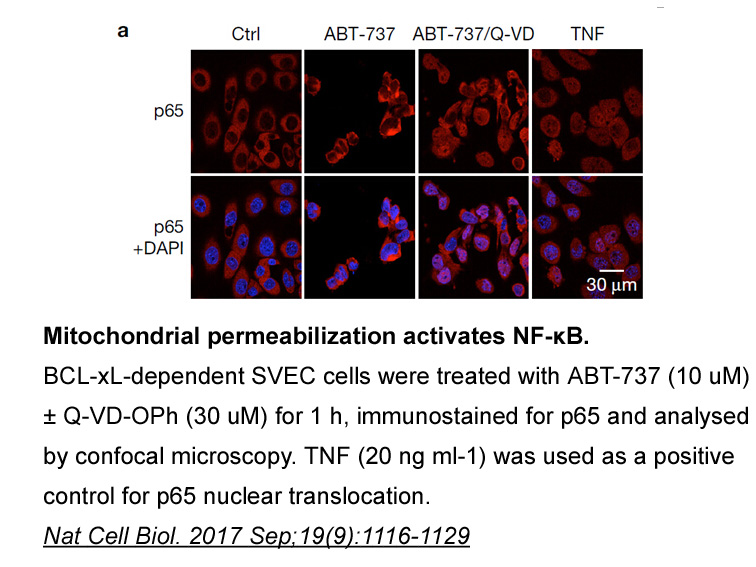
T cell infiltration is an important predictive biomarker for the PD-1 blockade, and it is closely associated with a good prognosis. In our study, we found that T cells were low and exhausted within the tumor microenvironment and were distributed in the tumor margin. Anti-PD-1 treatment reduced PD-1
-
We then explored the potential roles of vigilin along
2019-10-29
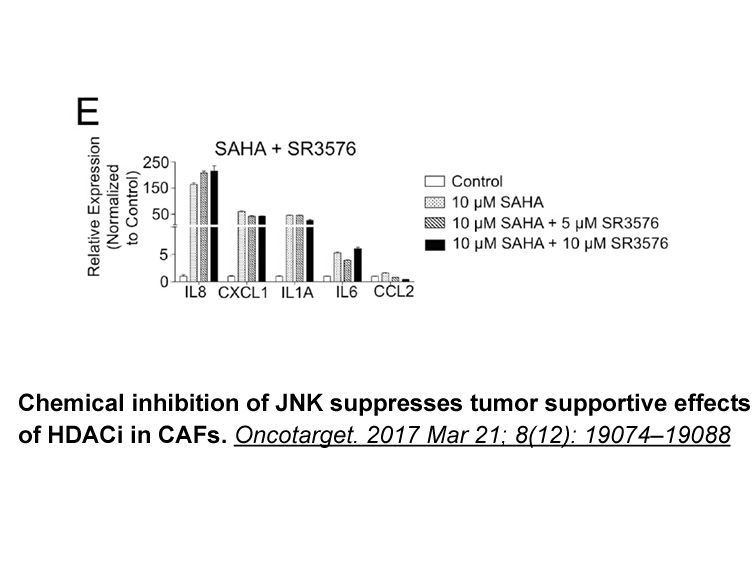
We then explored the potential roles of vigilin, along with other proteins which have affinity for the 69 nt CSF-1R element, in breast cancer cells. The sequestration of these proteins by excess 69 nt pyrimidine-rich element increases CSF-1R levels (Figures 2 and 4), and as a result, increases the d
-
We and others have previously found that
2019-10-29
We and others have previously found that supplementation of old rats with ALCAR remediates the age-related decay in mitochondrial bioenergetics in liver (Hagen et al., 1998a, Hagen et al., 1998b), heart (Paradies et al., 1994, Paradies et al., 1999), muscle (Pesce et al., 2010) and cysteine protease
-
Yet the standards fall back on the development process with
2019-10-29
Yet, the standards fall back on the development process with justification. As shown by Littlewood and Strigini (1993), the extent to which the reliability of software (both OTS and bespoke) can be proved by testing is severely limited––not because appropriate tests cannot be devised, but because ad
16337 records 985/1090 page Previous Next First page 上5页 981982983984985 下5页 Last page