Archives
- 2026-10
- 2026-09
- 2026-08
- 2026-07
- 2026-06
- 2026-05
- 2026-04
- 2026-03
- 2026-02
- 2026-01
- 2025-12
- 2025-11
- 2025-10
- 2025-09
- 2025-03
- 2025-02
- 2025-01
- 2024-12
- 2024-11
- 2024-10
- 2024-09
- 2024-08
- 2024-07
- 2024-06
- 2024-05
- 2024-04
- 2024-03
- 2024-02
- 2024-01
- 2023-12
- 2023-11
- 2023-10
- 2023-09
- 2023-08
- 2023-07
- 2023-06
- 2023-05
- 2023-04
- 2023-03
- 2023-02
- 2023-01
- 2022-12
- 2022-11
- 2022-10
- 2022-09
- 2022-08
- 2022-07
- 2022-06
- 2022-05
- 2022-04
- 2022-03
- 2022-02
- 2022-01
-
When a clinician diagnoses a person with AD
2024-11-11
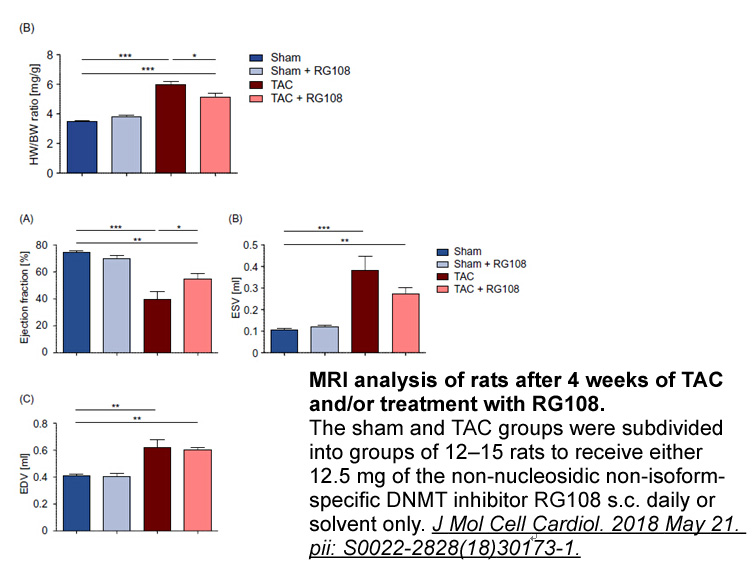
When a clinician diagnoses a person with AD, the person is transformed into a patient with the disease. The person is a member of a patient group associated with behaviors, abilities, and experiences related both formally and informally to the diagnosis [10]. The diagnostic label implies what signs
-
BWX 46 Overexpression of AR in a transgenic
2024-11-11
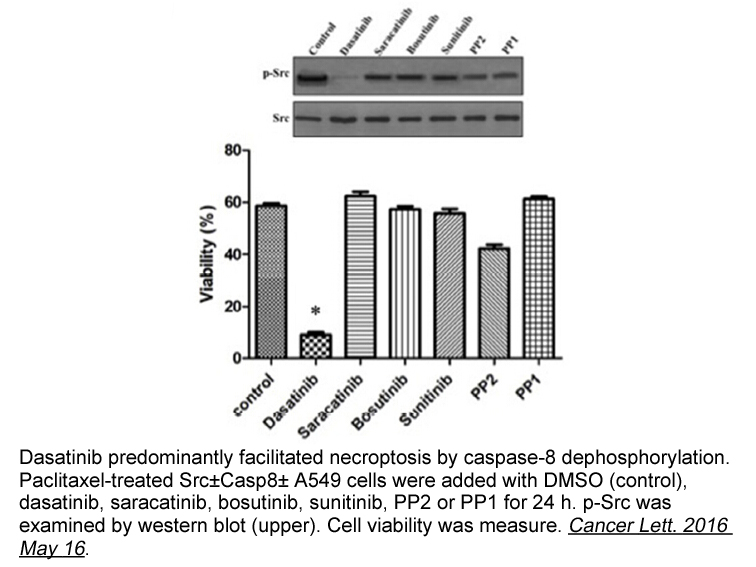
Overexpression of AR in a transgenic mouse model leads to a capsular cataract phenotype involving proliferation and formation of a fibrotic plaque of cells reminiscent of cells at the posterior BWX 46 in PCO [17]. To investigate the molecular mechanism that could link AR expression to this phenotype
-
br Expression of adiponectin mRNA in chickens We first
2024-11-09
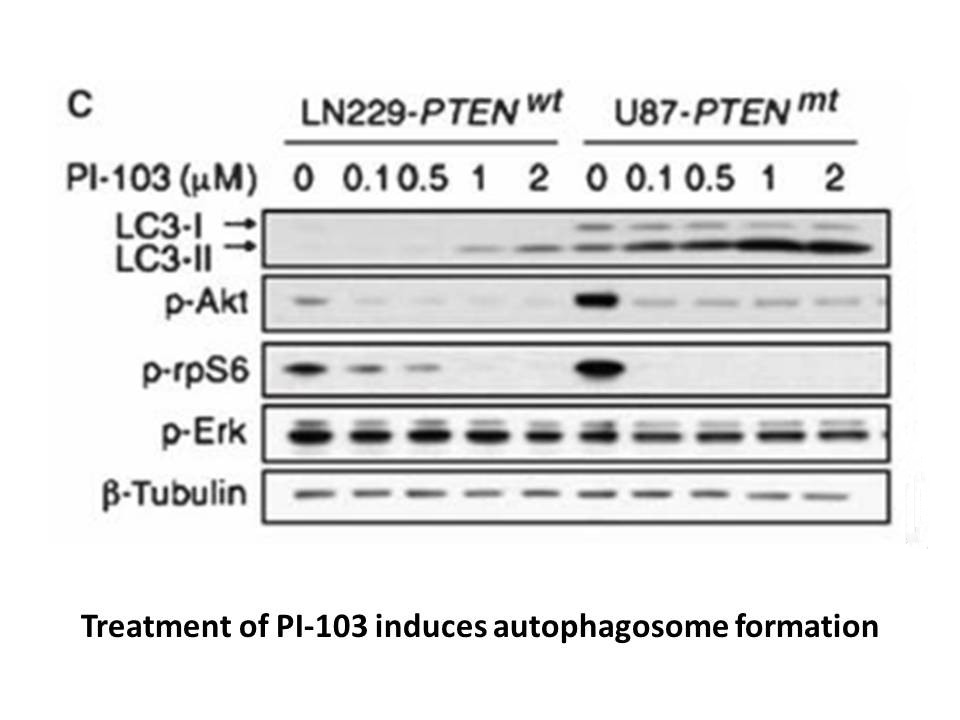
Expression of adiponectin mRNA in chickens We first sought to determine the nucleotide sequence of the chicken adiponectin cDNA. The open reading frame of the chicken adiponectin cDNA consists of 735 nucleotides that was 65–68% homologous to various mammalian adiponectin cDNAs (Maddineni et al.,
-
As described in the introductory section
2024-11-09
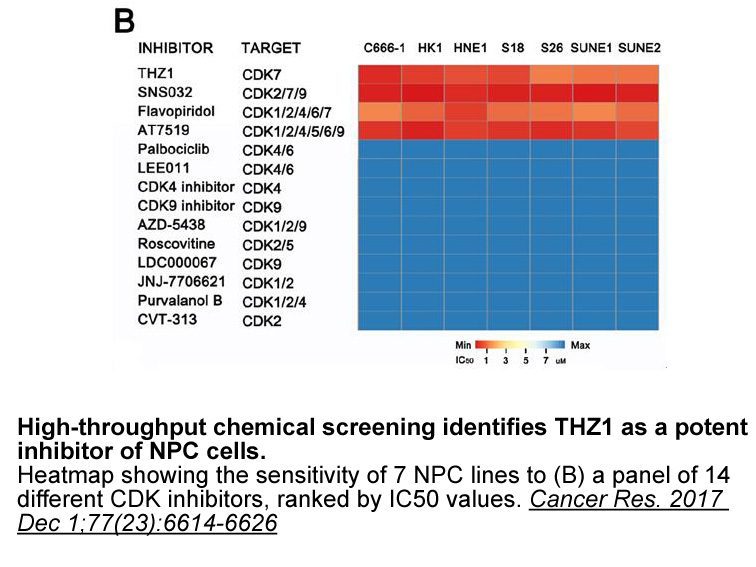
As described in the introductory section, the rotifer nervous system would be capable to transmit CTPB in throughout its neural pathways. In addition, Clément and Amsellem (1989) and Kotikova et al. (2001) suggested acetylcholine to be important for the functioning of rotifer muscles and their cont
-
br ACh and ER tests hereafter Spasm provocation tests have
2024-11-09
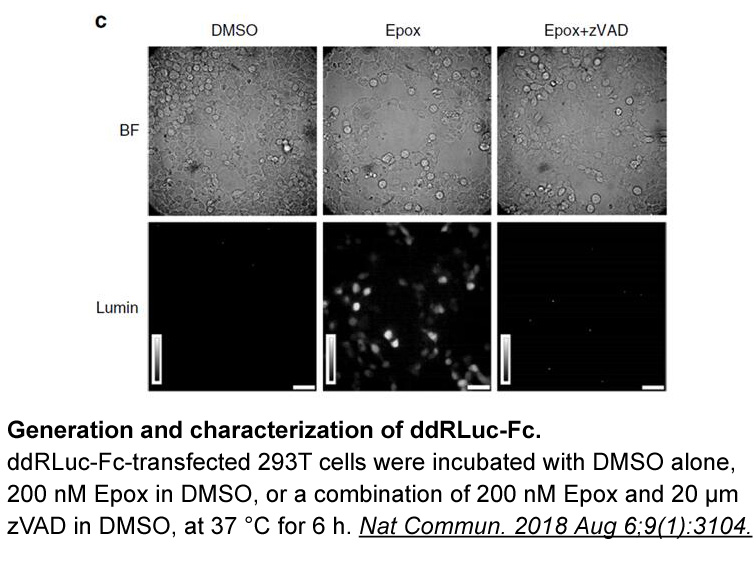
ACh and ER tests hereafter Spasm provocation tests have self-limitations to document coronary artery spasm during daily life. In the past reports, ST elevation was reproducible in some patients with variant BTL-104 by the administration of ACh or ER. However, we now employ the ER and ACh spasm p
-
The results show that a tonic
2024-11-09
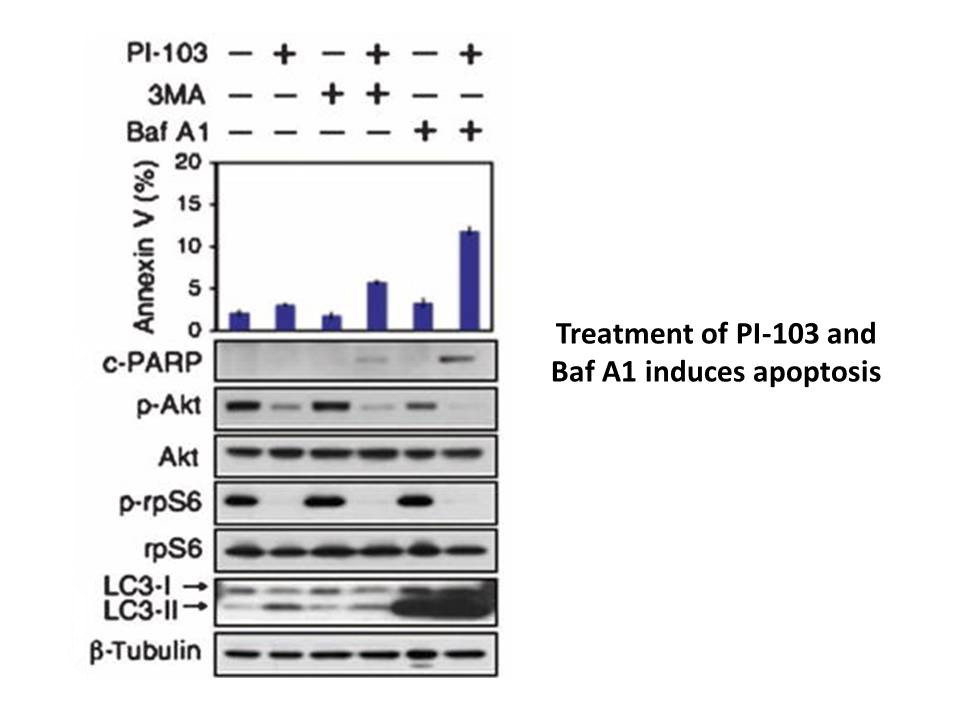
The results show that a tonic action of ACh on respiration is lacking. However, it is clear that muscarinic cholinergic mechanisms can modulate both eupneic breathing and the cough reflex. When these mechanisms are brought into action is obscure and only tentative proposals can be advanced. ACh in
-
Our study like that of Zill et al
2024-11-09
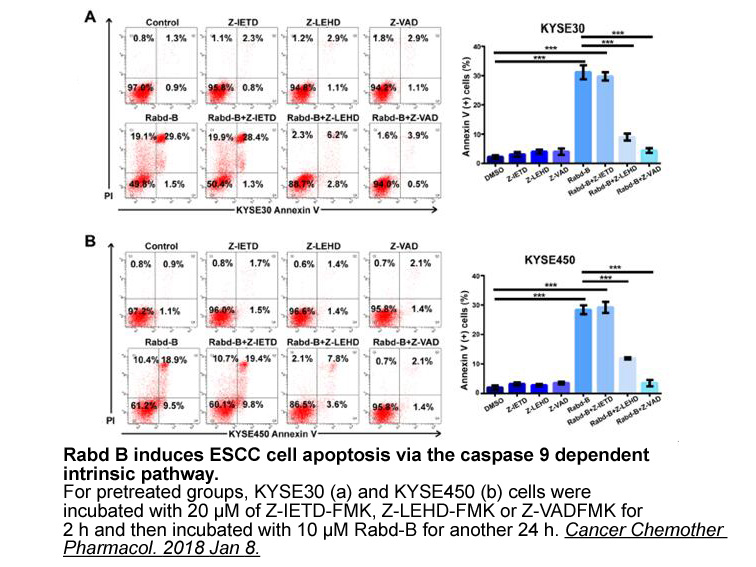
Our study, like that of Zill et al. (2012) included European Caucasians, although their population was much smaller (n=162) and more heterogeneous (19–72years). Further, potential confounding or effect modification by other health, lifestyle or genetic factors was not considered. These differences m
-
S1RA Direct inhibition of LO activity by BRP
2024-11-09
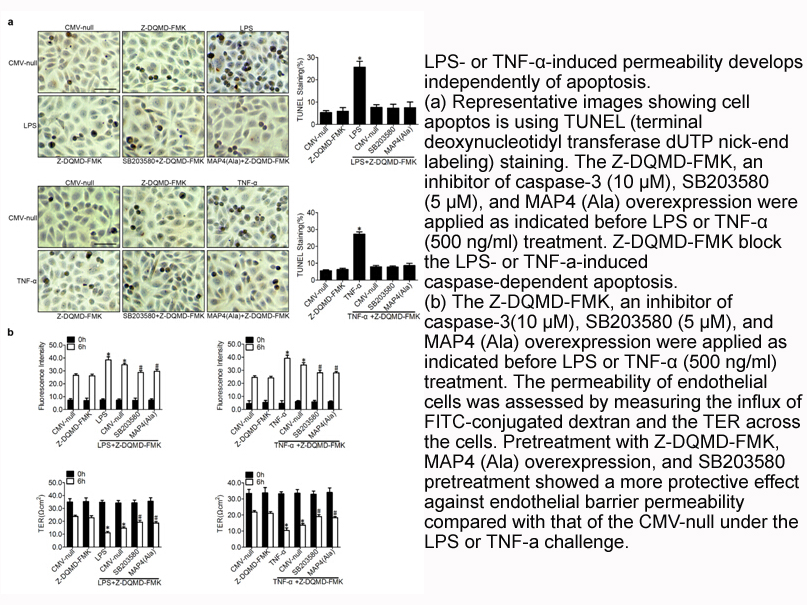
Direct inhibition of 5-LO activity by BRP-187 is clearly evident in cell-free assays using PMNL homogenates and isolated human recombinant 5-LO as enzyme source. In such assays, pure FLAP inhibitors like MK886 are inactive [9], [10], [29], [44]. Wash-out experiments and studies using the nonionic de
-
Derivatives of M that possess either an alkyne or an
2024-11-09
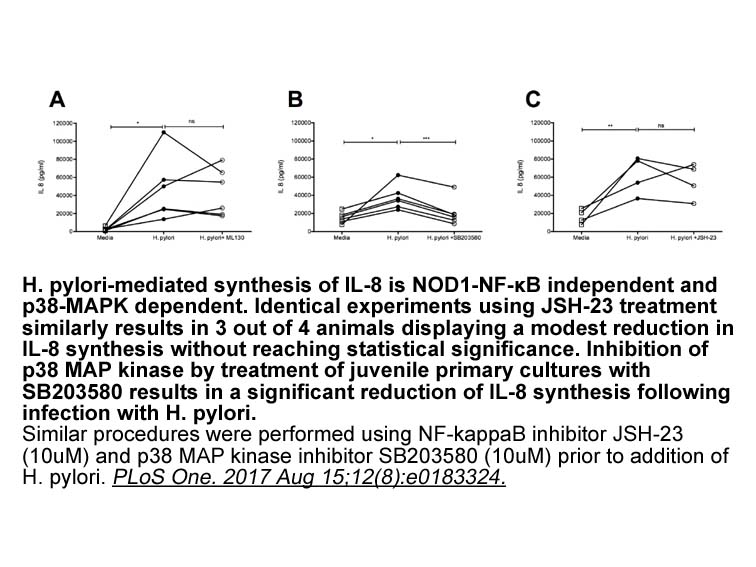
Derivatives of (+)-M100907 that possess either an alkyne or an azide have been synthesized. The most active enantiomer was obtained by resolution of a relatively early intermediate in the synthesis. The ability of these Moxifloxacin to maintain 5-HTR antagonist properties as (+)-M100907 was demonstr
-
br Role of LPA in tumor
2024-11-09
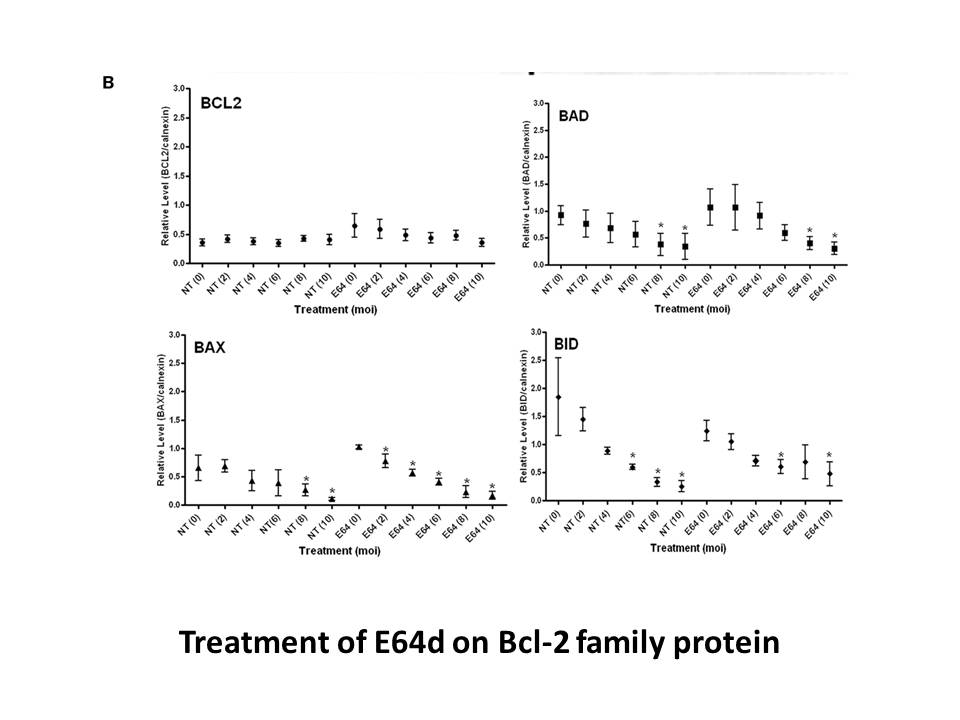
Role of LPA in tumor angiogenesis and skeletal metastasis The angiogenesis switch is essential for tumor expansion and escape of tumor Annexin V-Cy3 Apoptosis Kit Plus from the primary site and forming distant metastases. Evidence for the role of LPA2 and LPA3 in the mobility of endothelial cell
-
Lower LDL C mediated by
2024-11-09
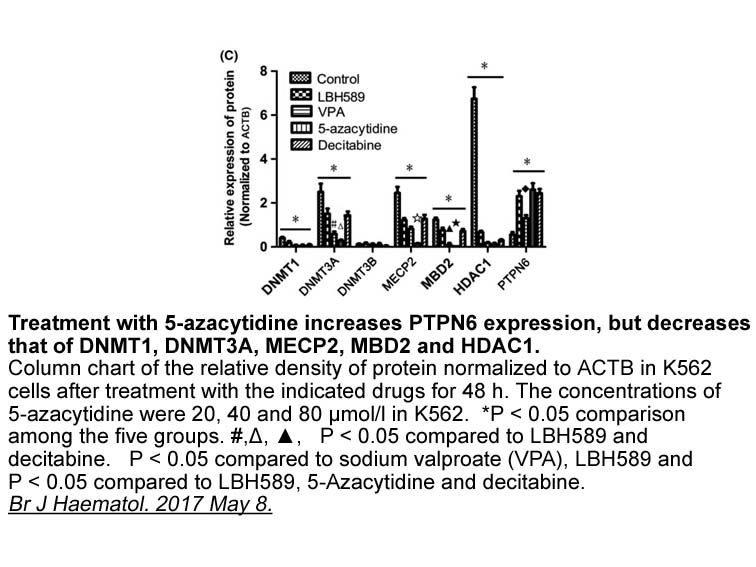
Lower LDL-C mediated by variants in the ACL gene is causally associated with the risk of cardiovascular events. Because, genetic variants that mimic the effect of an ACL inhibitor have the same effect on the risk of cardiovascular events per unit change in LDL-C as variants that mimic the effect of
-
br Conclusion br Acknowledgement This study was supported by
2024-11-09
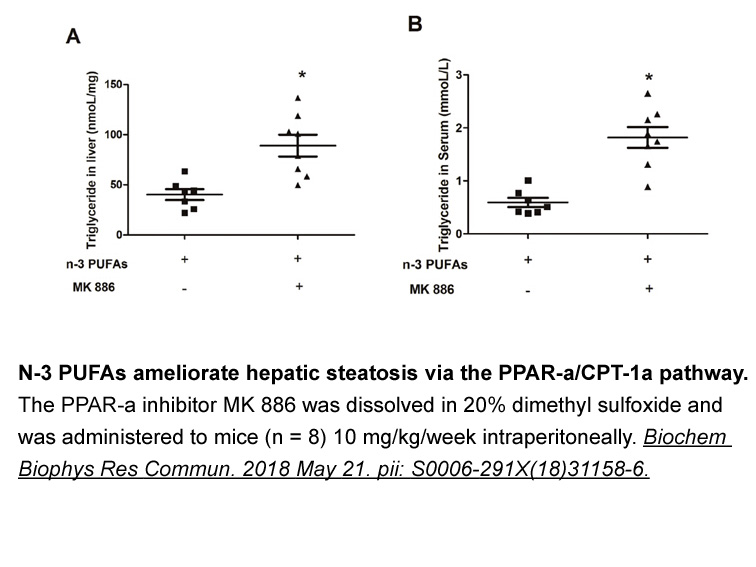
Conclusion Acknowledgement This study was supported by NIH/NINDSR01 NS036812-16. Introduction Stroke is the leading cause of disability and the fifth leading cause of death in the United States (Writing Group et al., 2016). On average, every 4 min a human dies of stroke (Lackland et al., 2
-
br Acknowledgements We would like to thank
2024-11-09
Acknowledgements We would like to thank Dr. Thomas Blanpied, Sai Sachin Divakaruni, Dr. Helmut Kessels, Feline Lindhout, Dieudonnée van de Willige, and all members of the MacGillavry lab for discussions and critical reading of the manuscript. This work was supported by NWO (ALW-VENI 863.13.020, A
-
br Results br Discussion br STAR Methods br Author Contribut
2024-11-09
Results Discussion STAR★Methods Author Contributions Acknowledgments We thank Angela Walker for assistance with the manuscript; Junlin Liu, Xiangxiang Gu, Na Chen, Lu Xue, and the BV Core Facility of iHuman Institute for their support; scientists and colleagues at Amgen Inc., Zhulun W
-
The radiographic correlate will be
2024-11-08
The radiographic correlate will be similarly important for the success of other non-VEGF TKIs, such as those targeting the epidermal growth factor receptor expressed in 50% of high-grade primary pdgf receptor neoplasms. It has been reported that icotinib and gefitinib, epidermal growth factor recep
8616 records 91/575 page Previous Next First page 上5页 9192939495 下5页 Last page