Archives
- 2026-06
- 2026-05
- 2026-04
- 2026-03
- 2026-02
- 2026-01
- 2025-12
- 2025-11
- 2025-10
- 2025-09
- 2025-03
- 2025-02
- 2025-01
- 2024-12
- 2024-11
- 2024-10
- 2024-09
- 2024-08
- 2024-07
- 2024-06
- 2024-05
- 2024-04
- 2024-03
- 2024-02
- 2024-01
- 2023-12
- 2023-11
- 2023-10
- 2023-09
- 2023-08
- 2023-07
- 2023-06
- 2023-05
- 2023-04
- 2023-03
- 2023-02
- 2023-01
- 2022-12
- 2022-11
- 2022-10
- 2022-09
- 2022-08
- 2022-07
- 2022-06
- 2022-05
- 2022-04
- 2022-03
- 2022-02
- 2022-01
- 2021-12
- 2021-11
- 2021-10
- 2021-09
- 2021-08
- 2021-07
- 2021-06
- 2021-05
- 2021-04
- 2021-03
- 2021-02
- 2021-01
- 2020-12
- 2020-11
- 2020-10
- 2020-09
- 2020-08
- 2020-07
- 2020-06
- 2020-05
- 2020-04
- 2020-03
- 2020-02
- 2020-01
- 2019-12
- 2019-11
- 2019-10
- 2019-09
- 2019-08
- 2019-07
- 2019-06
- 2019-05
- 2019-04
- 2018-07
-
br Introduction Coat colors are determined
2021-11-15
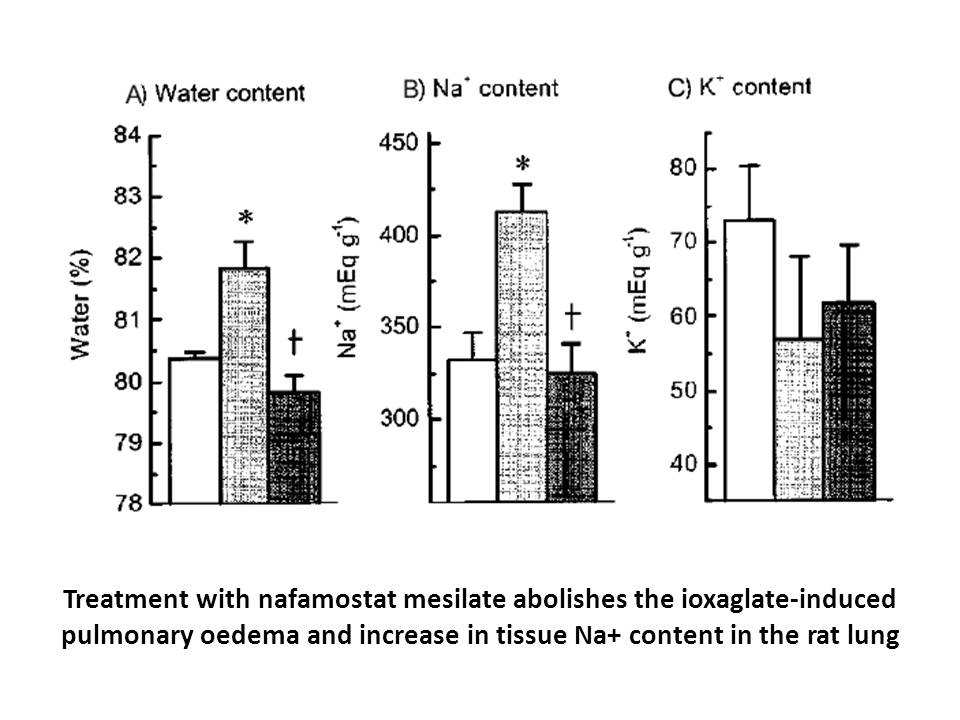
Introduction Coat colors are determined by both genetics and environment, especially genetics. The phenotype of coat color of animals depends on two types of melanin, black to brown eumelanin and yellow to reddish brown pheomelanin produced in mammalian melanocyte (Ito et al., 2000; Ito and Wakam
-
As disclosed in our preceding paper
2021-11-12
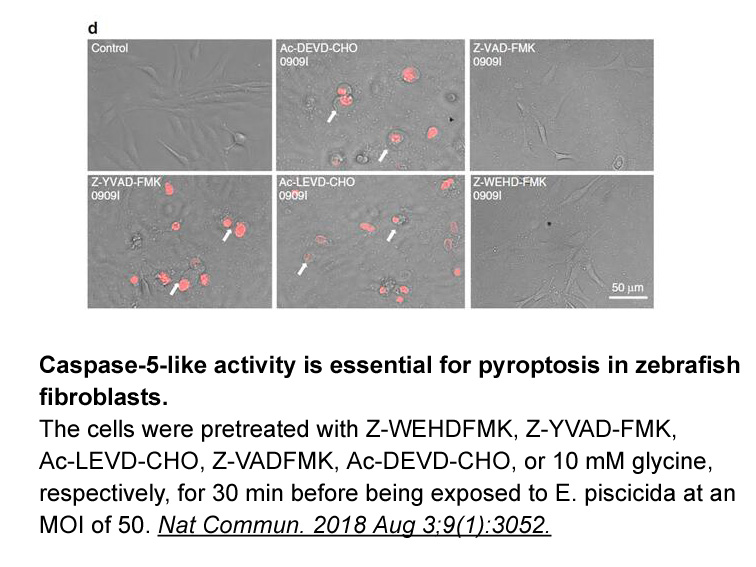
As disclosed in our preceding paper, medicinal chemistry SAR optimization of an HTS hit led to the discovery of , a potent and selective GPR119 agonist. This scaffold differs significantly from the ‘classical’ GPR119 pharmacophore, exemplified by the examples and (). Notably, CFTRinh-172 lacks
-
Treatment with probiotics can also
2021-11-12

Treatment with probiotics can also be used to alter the microbiota profile of CF patients. One study reports that administration of the probiotic Lactobacillus Reuteri improved digestive health and inflammation [112]. The fecal microbial profile changed, showing a decrease in Proteobacteria and an i
-
Fig A demonstrates the body weight gain of the pregestationa
2021-11-12
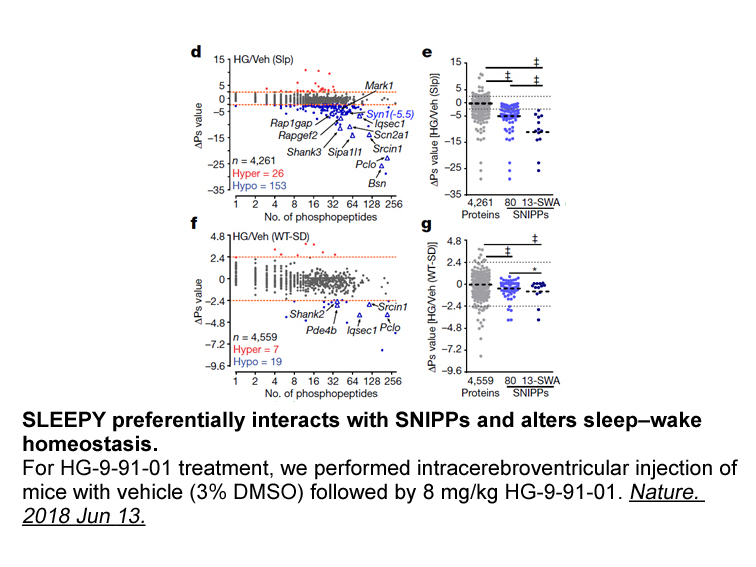
Fig. 2A demonstrates the body weight gain of the pregestational females. High-fat diet in wild-type mice increased body weight in 2 weeks and sustained this increase over 8 weeks. A similar effect was noted in glut3 mice in response to a high-fat diet. Fig. 2B depicts fat and muscle mass as assessed
-
br Activators Many compounds are known to influence
2021-11-12
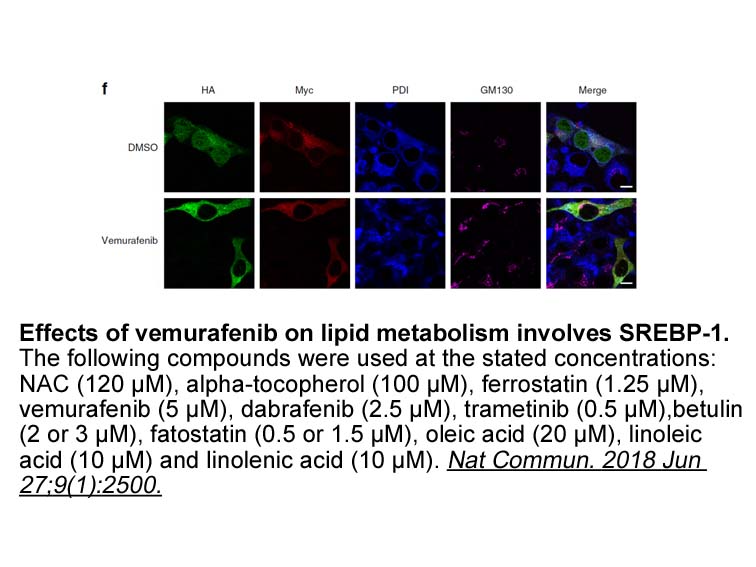
Activators Many compounds are known to influence the activity of Ca2+-activated K+ channels, and since hIK1 was cloned more insight has been gained on compounds that have the capacity to increase channel activity. Activation by divalent metal cations has been investigated, with Ca2+, Pb2+, Cd2+,
-
Based on the previous report that FXR
2021-11-12
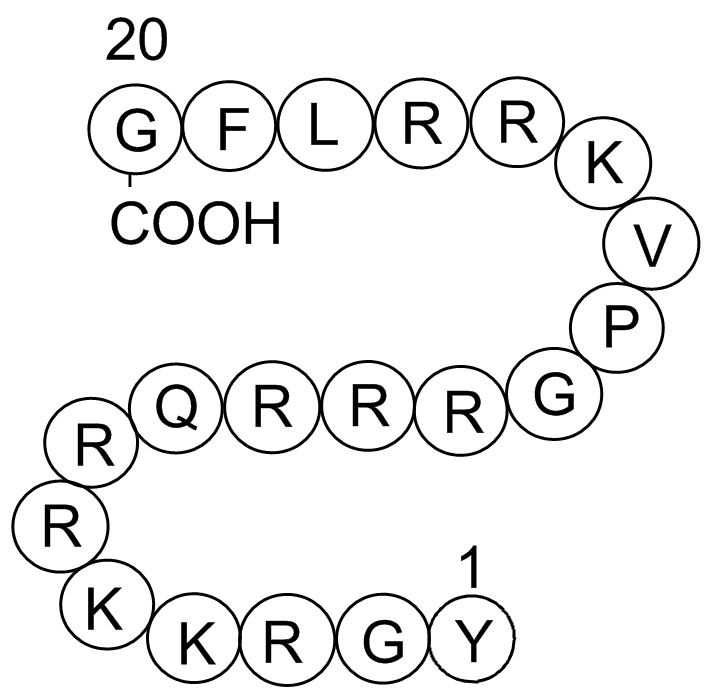
Based on the previous report that FXR regulated PEPCK indirectly [20], we speculated that FXR may regulate gluconeogenesis by regulating some key transcription factors associated with gluconeogenesis. Finally, by using HS218 as a probe, we found that FXR binds to PGC-1α promoter and directly regulat
-
thymidine phosphorylase CC is a widespread disorder affectin
2021-11-12
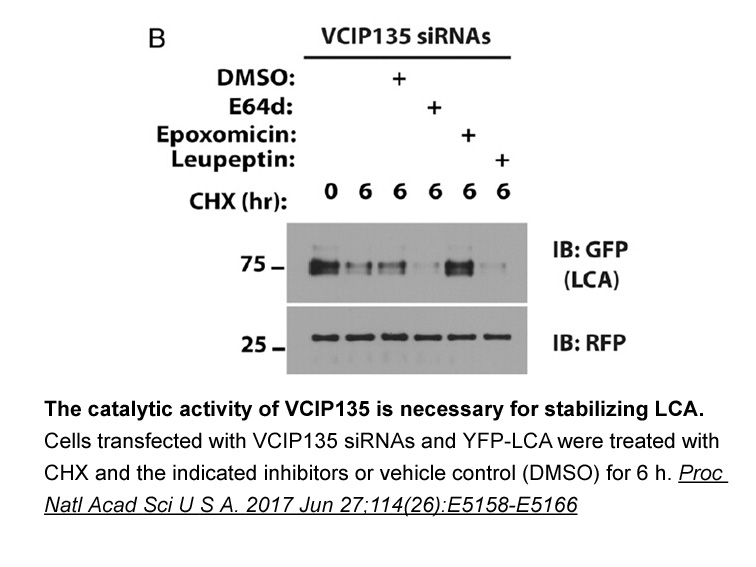
CC is a widespread disorder affecting up to 20% of people worldwide, which also deteriorates the quality of life of patients and causes a substantial economic burden to society. There are 3 categories of CC: normal-transit constipation, slow-transit constipation and defecatory or rectal evacuation d
-
br Role of FPRs in Cancer
2021-11-12
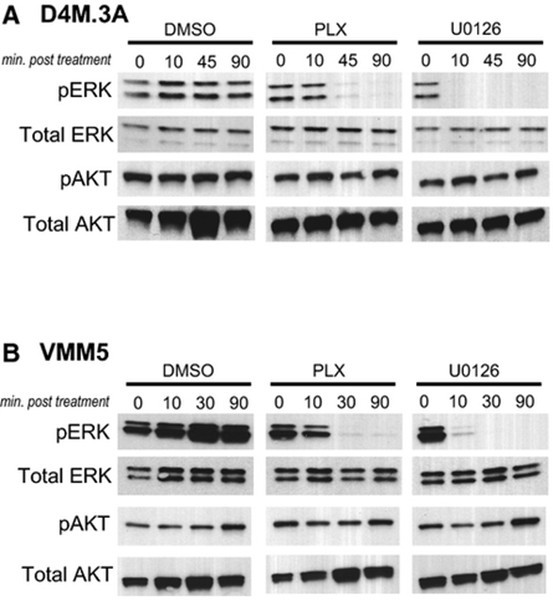
Role of FPRs in Cancer Concluding Remarks Activation of FPRs by formylated bacterial peptides or by host-derived mitochondrial peptides is required for local control of infection and wound healing. Nevertheless, various detrimental effects can result from the release of formylated peptides int
-
Piperlongumine br Materials and methods br Results and discu
2021-11-12
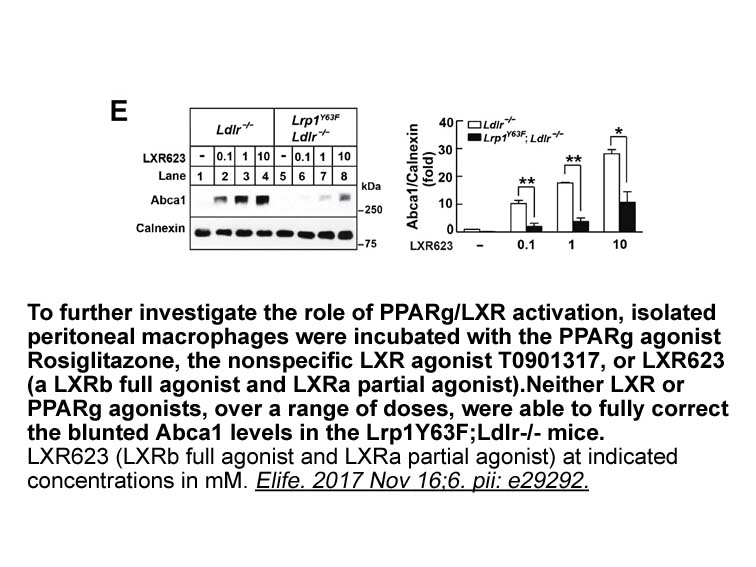
Materials and methods Results and discussion Conclusion The as-designed system was based on the assembly of MSN-Cy and TPGS, which was dominated by π-π stacking interactions. By the strong mutual force, Cypate and TPGS formed a compact layer around the MSN core, which blocked the drug leaka
-
Evidence indicates that astrocytes play a role in
2021-11-12
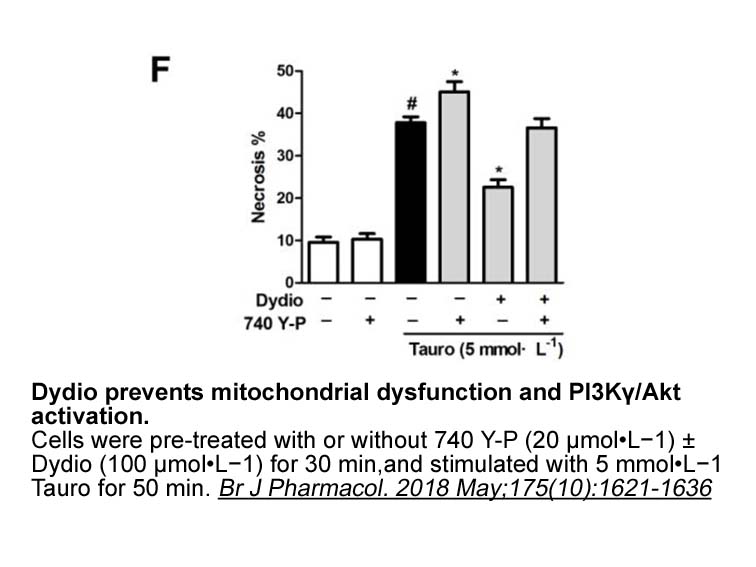
Evidence indicates that astrocytes play a role in the modulation of NMDAR activity in the CA1 (Henneberger et al., 2010; Papouin et al., 2017a, Papouin et al., 2017b; Robin et al., 2018). Therefore, we sought to examine whether astrocytes are involved in the H1 receptor antagonist/inverse agonist-in
-
Hypoxia inducible factors HIFs including HIF
2021-11-12
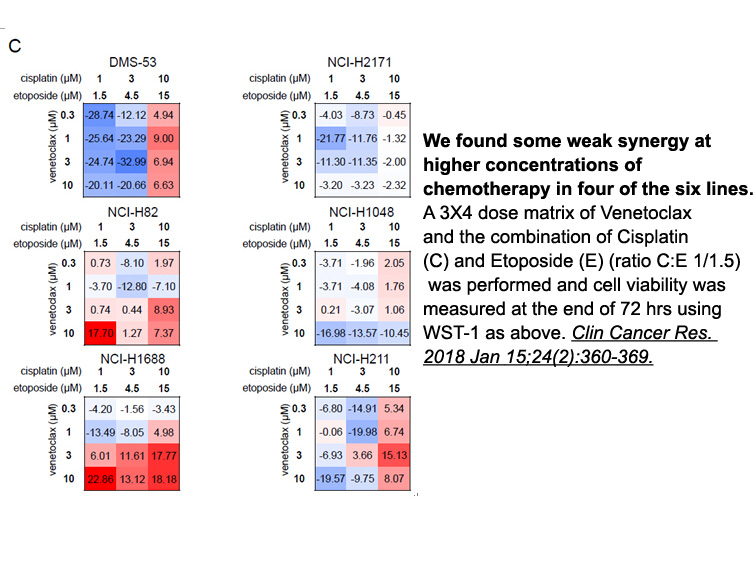
Hypoxia-inducible factors (HIFs), including HIF-1α, HIF-1β, HIF-2α and HIF-3α, are important endogenous signaling proteins that contribute to the cellular response to hypoxia. Among these proteins, HIF-1α is involved in many pathophysiological processes, including inflammation, tumor growth and meta
-
E E evolution at transmission has been explored in multiple
2021-11-12
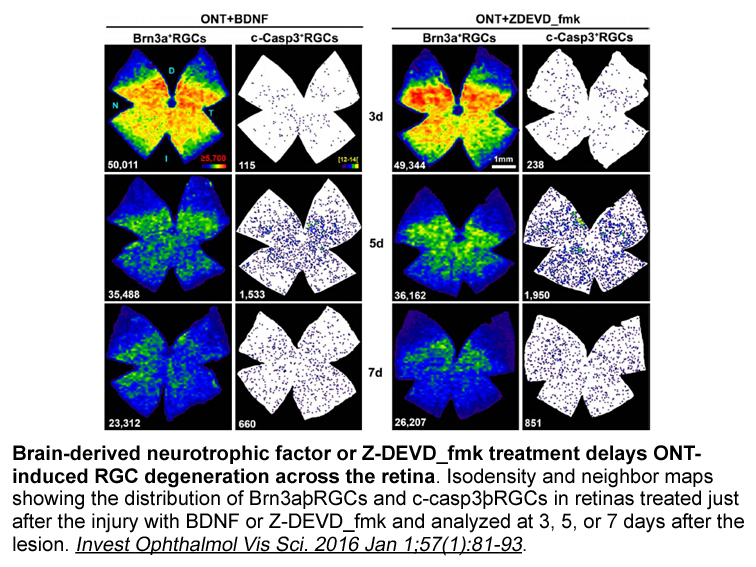
E1E2 evolution at transmission has been explored in multiple previous studies. Vertical transmission selects for E1E2 variants with increased replication fitness due of CTL escape mutations (Honegger et al., 2013). Experimental infection of chimeric liver mice selects for E1E2 variants with increase
-
Interestingly mGlu and mGlu receptors differ notably by
2021-11-11
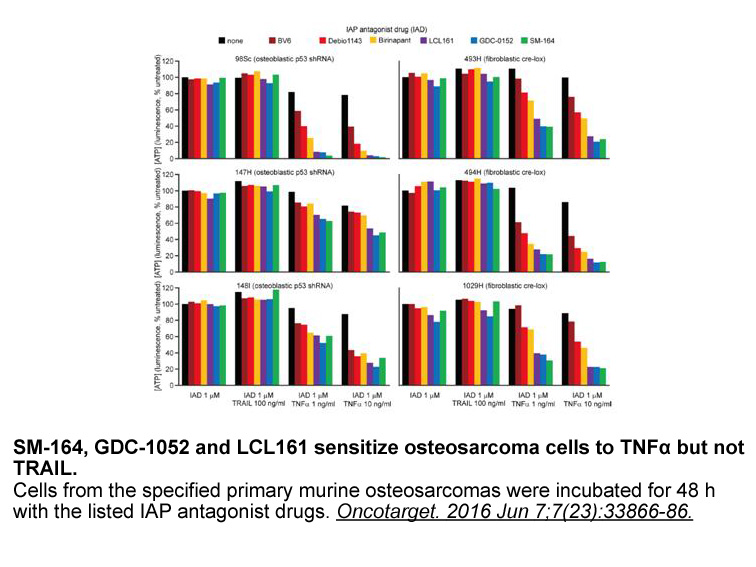
Interestingly, mGlu2 and mGlu3 receptors differ notably by their cellular distribution. Whereas mGlu2 receptors are mostly neuronal, mGlu3 receptors are expressed both in glia and in neurons. In neurons, mGlu3 receptors are present at the post-synapse and in presynaptic elements (Tamaru et al., 2001
-
Although most of the incretin effects on glucose metabolism
2021-11-11

Although most of the incretin effects on INCB-024360 metabolism can be secondary to their action on insulin/glucagon secretion, some evidence strongly suggests that they could also act directly on liver glucose utilization and production [4], [13], [22], [27], [34], [44]. Supporting this concept, A
-
Analysis of genomic neighborhoods has helped resolve questio
2021-11-11

Analysis of genomic neighborhoods has helped resolve questions concerning the orthology of receptors for peptides similar to glucagon (Ng et al., 2010, Irwin and Prentice, 2011, Wang et al., 2012, Hwang et al., 2013). Using a diverse array of species with available genome sequence (see Fig. 4) the g
16343 records 592/1090 page Previous Next First page 上5页 591592593594595 下5页 Last page