Archives
- 2026-10
- 2026-09
- 2026-08
- 2026-07
- 2026-06
- 2026-05
- 2026-04
- 2026-03
- 2026-02
- 2026-01
- 2025-12
- 2025-11
- 2025-10
- 2025-09
- 2025-03
- 2025-02
- 2025-01
- 2024-12
- 2024-11
- 2024-10
- 2024-09
- 2024-08
- 2024-07
- 2024-06
- 2024-05
- 2024-04
- 2024-03
- 2024-02
- 2024-01
- 2023-12
- 2023-11
- 2023-10
- 2023-09
- 2023-08
- 2023-07
- 2023-06
- 2023-05
- 2023-04
- 2023-03
- 2023-02
- 2023-01
- 2022-12
- 2022-11
- 2022-10
- 2022-09
- 2022-08
- 2022-07
- 2022-06
- 2022-05
- 2022-04
- 2022-03
- 2022-02
- 2022-01
br Materials and methods br Results br
2022-01-10
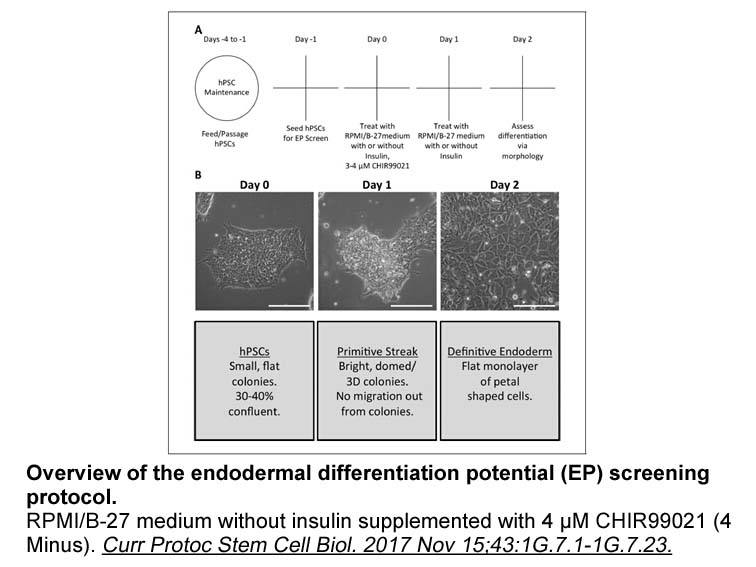
Materials and methods Results Discussion The roles of EZH2 during oocyte maturation, early embryogenesis, and somatic cell nucleus transfer (SCNT) have been studied extensively in mouse [12,30]. How it functions during porcine preimplantation development, especially the maternal effect, how
DBIBB The VirScan assay has several
2022-01-10
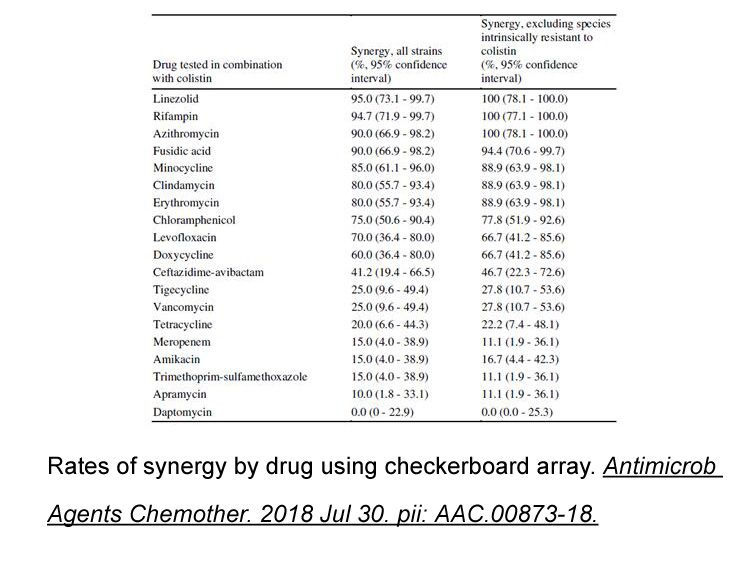
The VirScan assay has several advantages over alternative multiplex serological assays for peptide discovery. These advantages include quantitative assessment of antibody binding to peptides that span all open reading frames in the HIV genome, including both structural and regulatory proteins; repre
Production of reactive oxygen species ROS at the
2022-01-10
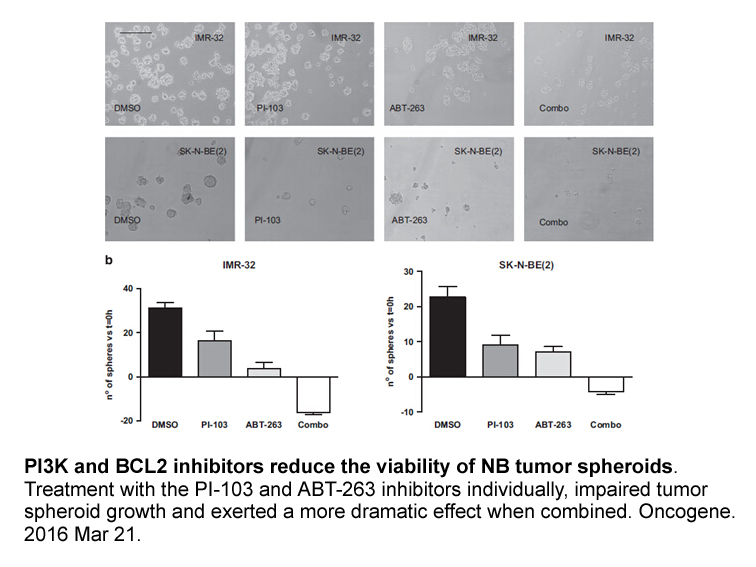
Production of reactive oxygen species (ROS) at the site of pathogen attack following recognition of pathogen-associated molecular patterns (PAMPs) is regarded as one of the initial plant immune responses. ROS accumulation can induce a hypersensitive reaction in host plants, thereby causing programme
individuals with variants in the
2022-01-10
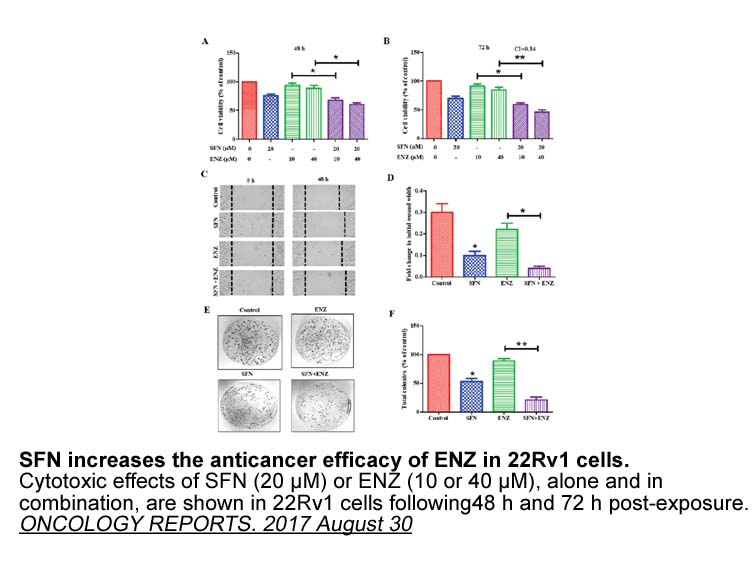
13 individuals with variants in the codon 1031–1159 region had global developmental delay and apparent ID, ranging from speech delay and learning difficulties to markedly impaired basic life functions (Table 2 and Table S3). The last available occipitofrontal-circumference measurements revealed micr
In this current study we not only demonstrated the
2022-01-10
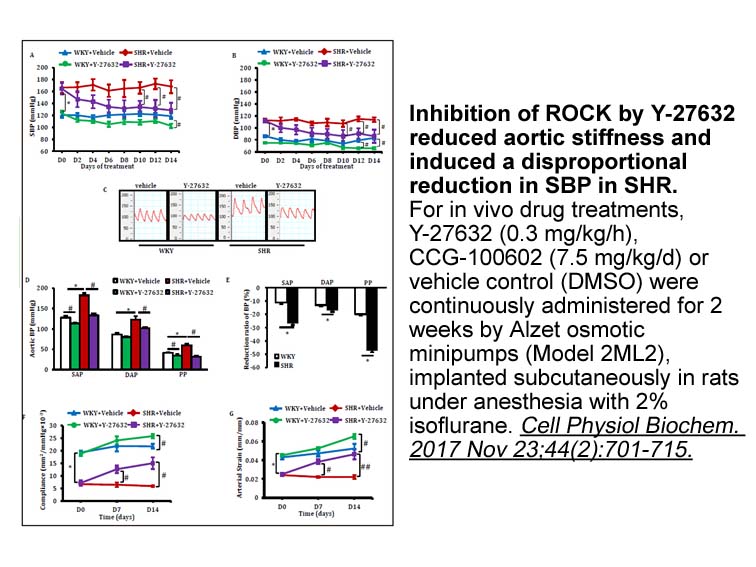
In this current study, we not only demonstrated the growth-inhibitory effects of the 2nd generation analog SL-1-39 on the HER2+ breast cancer cells, MDA-MB-453 and SKBR3 (Table 1), but we also demonstrated that the decrease in cell number was associated with an interruption of adenosine diphosphate
Furthermore the identification of the inhibitory effect of
2022-01-10
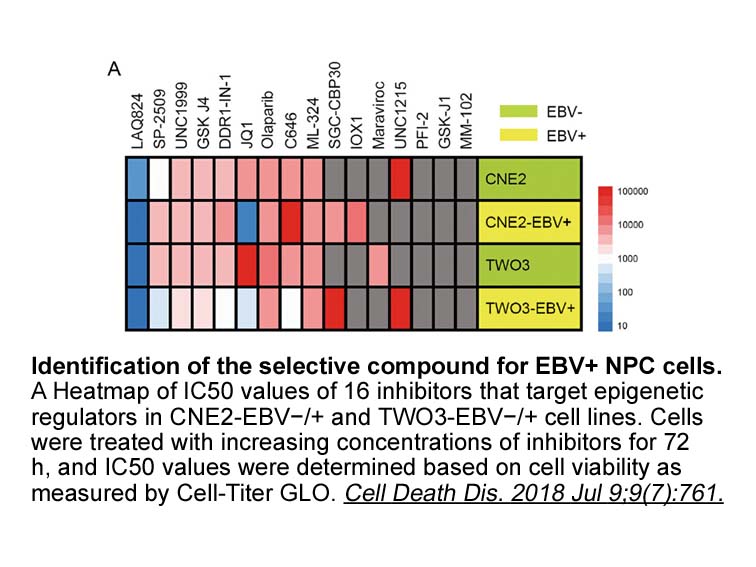
Furthermore, the identification of the inhibitory effect of P. grandiflorum and ginseng extract on HDAC represents an effective workflow for gene expression similarity-based repositioning of nutraceuticals. Acknowledgments This research was supported by Basic Science Research Program through the
Calyculin A Over the last years numerous studies gave
2022-01-10
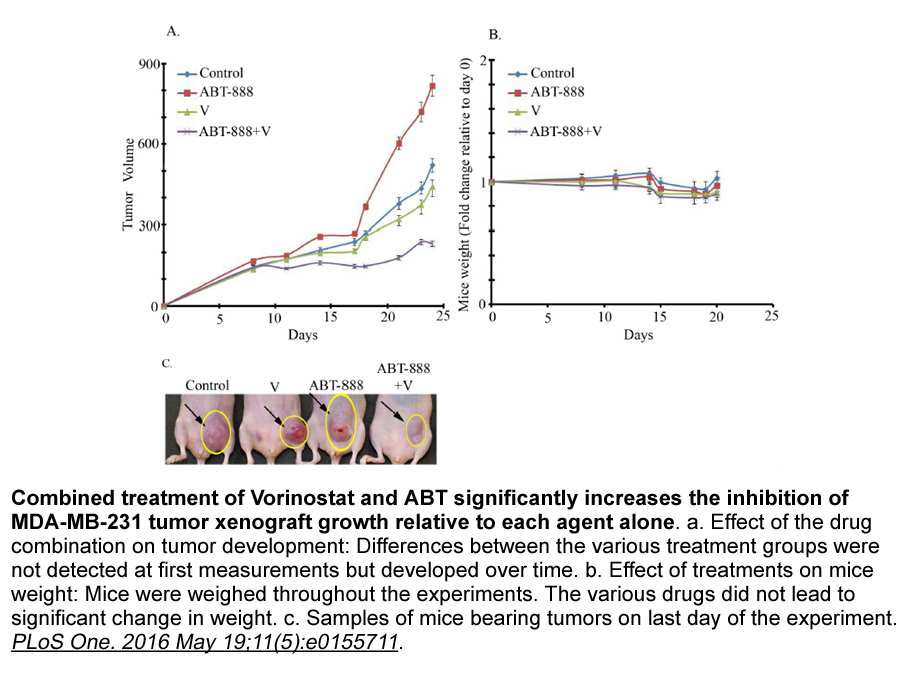
Over the last 15 years, numerous studies gave insights into sGC activation and binding of activators: Photoaffinity labelling studies with cinaciguat suggested the N-terminus of the β1 subunit as target region for this new drug [17]. Schmidt et al. identified the amino acids tyrosine 135, serine 137
In contrast to RhoA Rac and Rap
2022-01-10
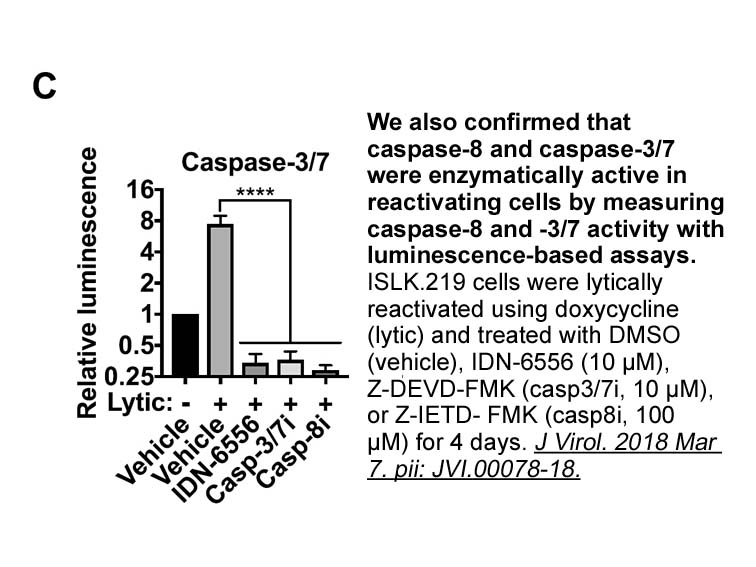
In contrast to RhoA, Rac1 and Rap1 which are stimulated by platelet activators and inhibited by NO/PKG, the GTPase ADP-ribosylation factor 6 (Arf6) is regulated in the reverse way. Platelet agonists like thrombin, collagen, or ADP, reduce Arf6-GTP levels, whereas NO and PGI2 oppose this reduction [1
angiotensin receptor blocker Despite efforts over the past d
2022-01-10
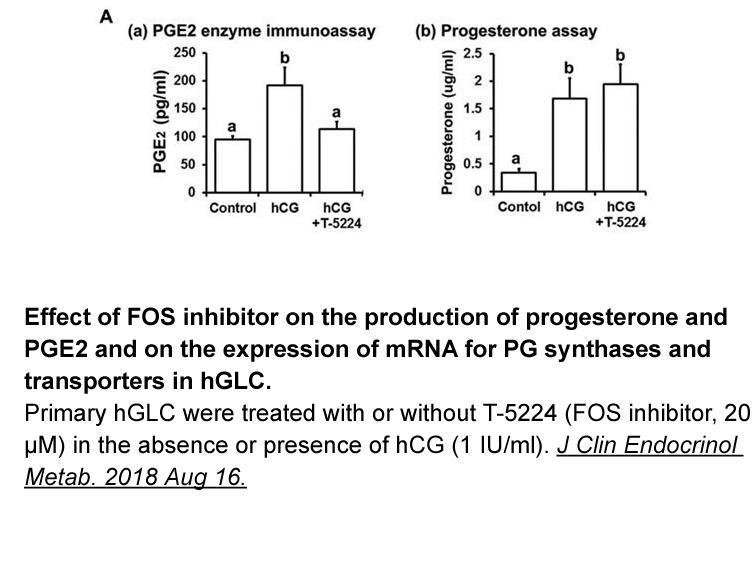
Despite efforts over the past decade to shed light on the endosomal maturation process and its underlying Rab conversion, the context in which all the involved protein components interact needs to be further elucidated. After defining single components and modules of the machinery important for endo
Recently we suggested that KYNA an
2022-01-10
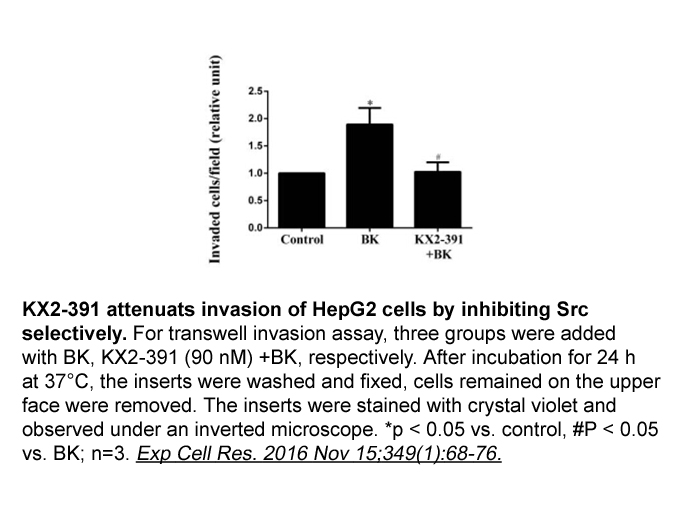
Recently, we suggested that KYNA – an endogenous GPR35 agonist could be produced in a human cornea since we showed the presence of the enzymes that catalyze the synthesis of KYNA – kynurenine aminotransferases I-III in corneal epithelium, stroma and endothelium (). Therefore, these findings provided
Acute in vivo experiments were performed in normoglycemic
2022-01-10
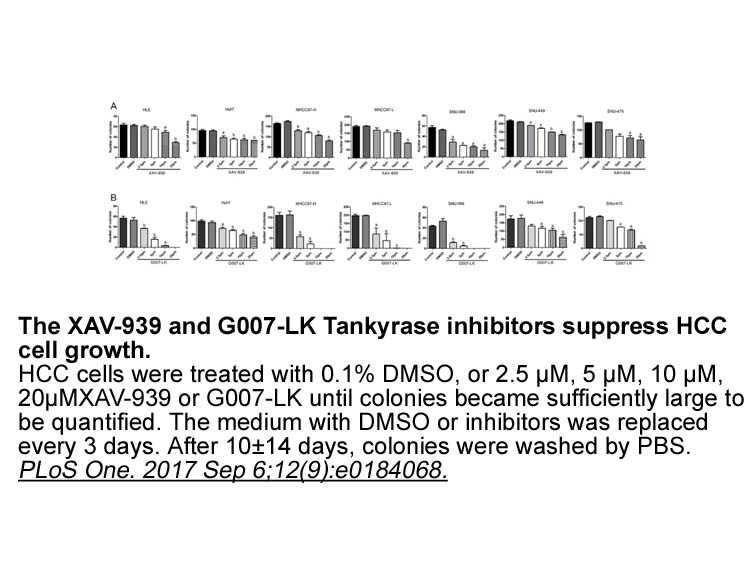
Acute in vivo experiments were performed in normoglycemic 129SVE mice to confirm GPR119 activation and corresponding Wang Resin mg control. GIP release was utilized as a biomarker for target receptor engagement and plasma GIP levels were measured 45min after oral dosing (). Both 3 and 10mg/kg produ
To investigate if such an effect
2022-01-10

To investigate if such an effect is observed in native GlyT1, we introduced S605D and S605A mutations into GlyT1 and transfected these DNA constructs into N2a cells. For an internal control of calpain cleavage, we also introduced the first 100 amino-acids of the rat GlyT2N terminus upstream of the m
Although both receptors mGluR and mGluR are present
2022-01-07
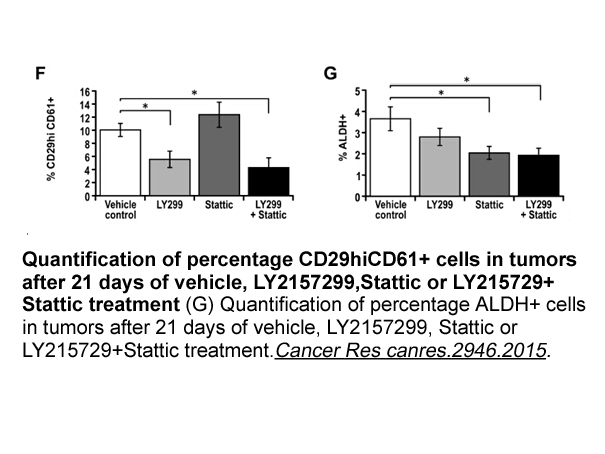
Although both receptors, mGluR1 and mGluR5, are present in cortical and hippocampal areas from 1 to 2 weeks old neonates (López-Bendito et al., 2002) we have found that only mGluR1 was regulated after maternal l-Glu consumption. A possible explanation could be based on the different ontogenetic prof
We found that silymarin induced more improvement
2022-01-07
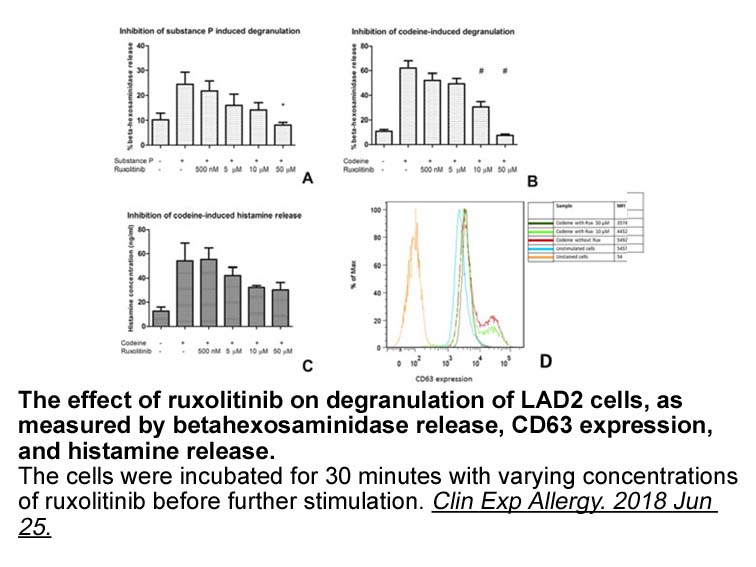
We found that silymarin induced more improvement of renal functions compared to Rvs. Our results were in agreement with previous studies. The effect of silymarin has been tested in alloxan-induced diabetes mellitus models in rats. Alloxan produces reactive oxygen species which injure renal tissue. S
br Fenton reaction based nanomaterials for ferroptosis In
2022-01-07
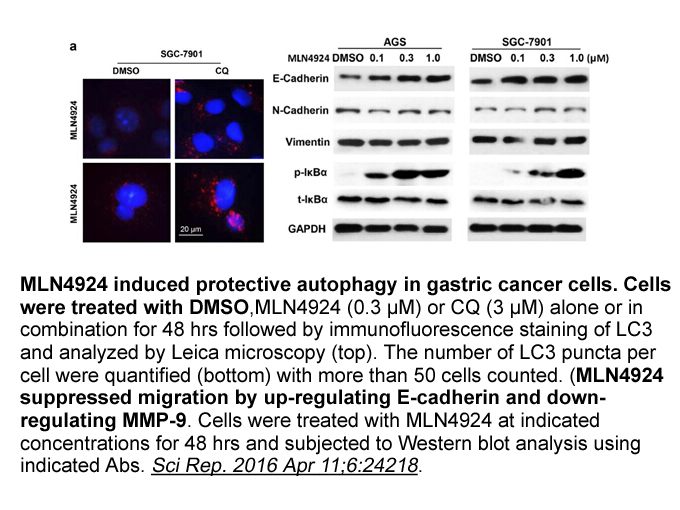
Fenton reaction-based nanomaterials for ferroptosis In Fenton reaction, H2O2 is converted by Fe2+ or Fe3+ to highly oxidative ROS (Eqs. (1) and (2)), which is commonly used to catalyze the degradation of refractory organics [34]. Since the tumor microenvironment is characterized by low acidity an
8626 records 571/576 page Previous Next First page 上5页 571572573574575 下5页 Last page