Archives
- 2026-10
- 2026-09
- 2026-08
- 2026-07
- 2026-06
- 2026-05
- 2026-04
- 2026-03
- 2026-02
- 2026-01
- 2025-12
- 2025-11
- 2025-10
- 2025-09
- 2025-03
- 2025-02
- 2025-01
- 2024-12
- 2024-11
- 2024-10
- 2024-09
- 2024-08
- 2024-07
- 2024-06
- 2024-05
- 2024-04
- 2024-03
- 2024-02
- 2024-01
- 2023-12
- 2023-11
- 2023-10
- 2023-09
- 2023-08
- 2023-07
- 2023-06
- 2023-05
- 2023-04
- 2023-03
- 2023-02
- 2023-01
- 2022-12
- 2022-11
- 2022-10
- 2022-09
- 2022-08
- 2022-07
- 2022-06
- 2022-05
- 2022-04
- 2022-03
- 2022-02
- 2022-01
-
Remarkably most of these molecules are also quite effective
2022-04-02
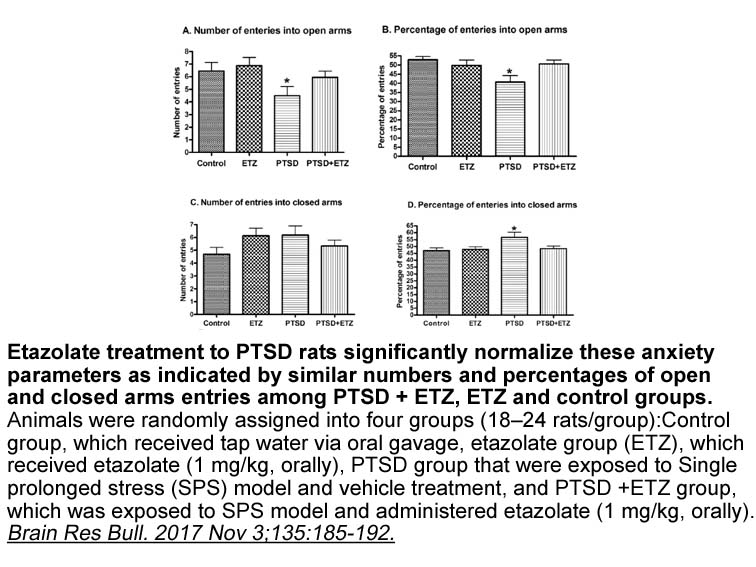
Remarkably, most of these molecules are also quite effective in interfering with the proliferation of the drug-resistant cancer cell lines, with IC50 values ranging from 0.59 to 2.93 μM against MCF-7/ADR cells, and from 0.160 to 1.17 μM against NSCLC-resistant H1975 cells. Among these molecules, com
-
Previous studies have shown that ox
2022-04-02
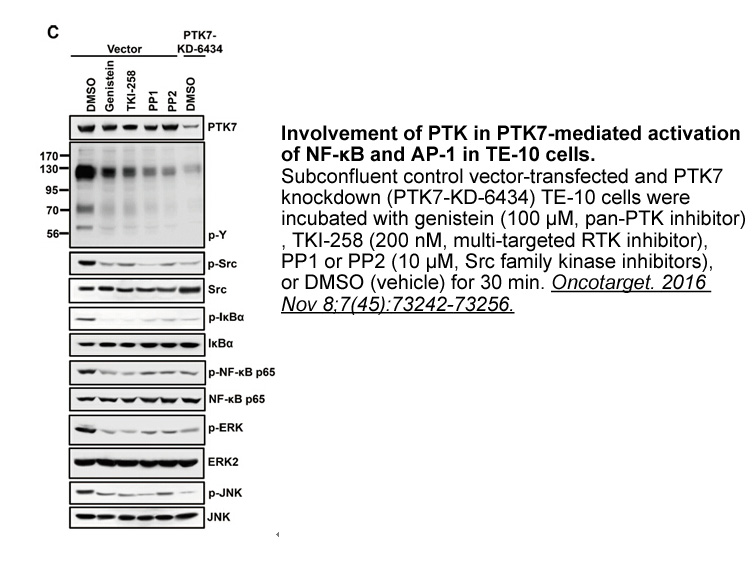
Previous studies have shown that ox-LDL-induced hepatic sinus dysfunction is the result of multiple pathways, multi-factorial regulation, and in the present study, we reported for the first time that ox-LDL regulates the basement membrane protein VN through the integrin αvβ5 pathway under high gluco
-
The coenzyme S adenosylmethionine SAM binding
2022-04-02

The coenzyme S-adenosylmethionine (SAM)-binding pocket of Set7 is connected to the histone-tail binding groove by a conserved lysine-channel, similarly observed in vSET (Figures 2D and S3). The Set7 SAM-binding pocket is negatively charged as observed in other known HMTase structures. However, the b
-
tgf beta receptor 1 TLRs were originally identified as patho
2022-04-02
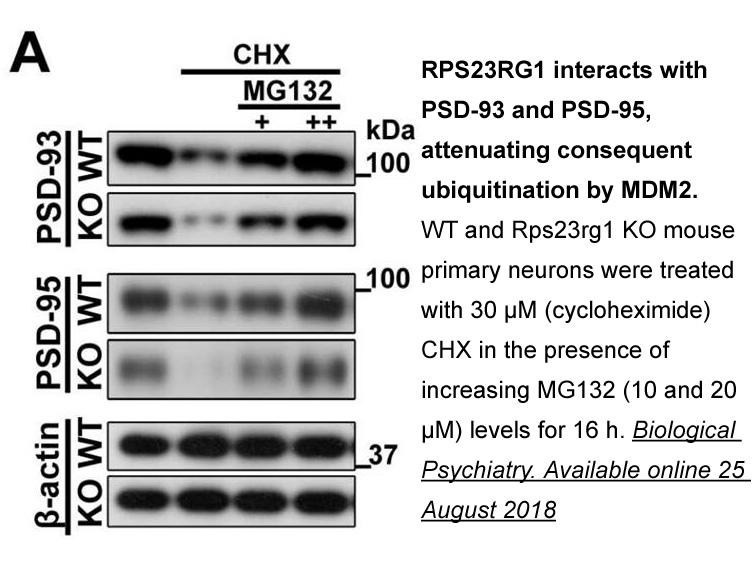
TLRs were originally identified as pathogen-associated molecular pattern recognition receptors that recognized exogenous ligands in response to infection [31]. In cirrhotic mice or patients, the gastrointestinal tract produces and absorbs considerable bacterial LPS with increased permeability of the
-
Distribution of histamine receptors in the intestines varies
2022-04-02
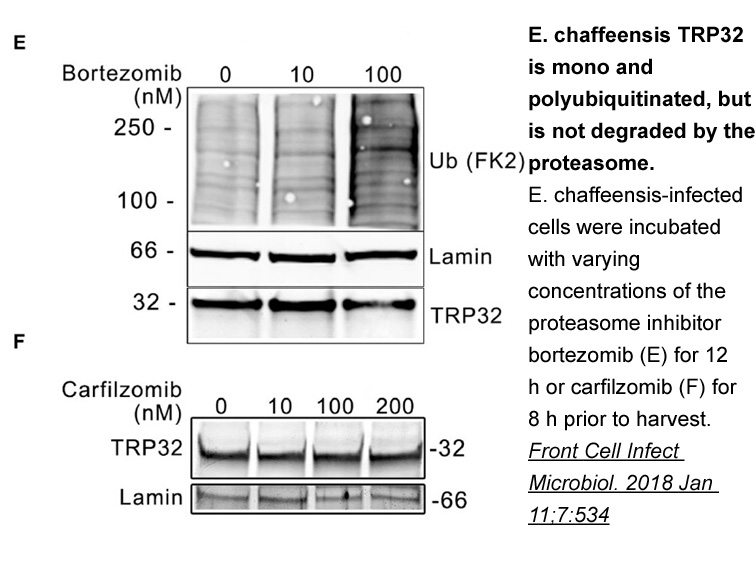
Distribution of histamine receptors in the intestines varies among species, but our findings are similar to those previously reported in humans and guinea pigs (Thurmond, 2010, Thurmond, 2015). H1 receptors were located mainly in the gastric mucosa, smooth muscle, and lymphoid tissue, corresponding
-
br Hedgehog pathway in embryonic development It is now well
2022-04-02

Hedgehog pathway in embryonic development It is now well established that the Hedgehog pathway solves a role as one of the essential signaling mechanisms for the modulation of cellular growth and differentiation during embryogenesis. Operating through time- and position-dependent mechanisms, this
-
br Acknowledgments Authors are thankful to the participants
2022-04-02

Acknowledgments Authors are thankful to the participants of the study for their cooperation. Financial support from Higher Education Commission (HEC) of Pakistan is highly acknowledged. AZ is supported by indigenous PhD fellowship from HEC. Indigenous PhD Fellowship for 5k Scholars batch 2 PIN NO
-
Three additional Type I CDK and CDK
2022-04-02

Three additional Type I CDK8 and CDK19 kinase inhibitors have also been recently reported. Orally available 3-benzylindazole 12 was discovered by optimization of compounds with HSP90 affinity to yield potent and selective CDK8 inhibitors. Compound 12 showed strong binding activity for CDK8 with an I
-
Studies of human and mouse GPR
2022-04-02
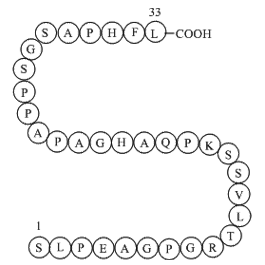
Studies of human and mouse GPR84, as ascertained by mRNA levels in various tissues, have determined that GPR84 is highly expressed on bone marrow cells, splenic T and B cells, and circulating granulocytes/monocytes/macrophages. In the latter cells, mRNA expression of is up-regulated only under infl
-
br Acknowledgments This research was supported by
2022-04-01
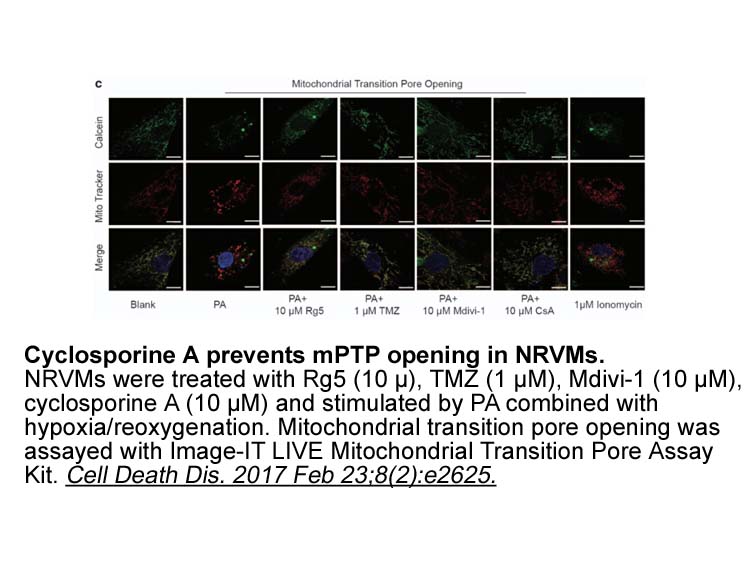
Acknowledgments This research was supported by a grant from the Korea Health Technology R&D Project through the Korean Health Industry Development Institute (KHIDI), funded by the Ministry of Health & Welfare, Republic of Korea (grant number: HI17C0616). Dr. Jun-Mo Yang was supported by the Natio
-
GK allosteric activators validate the importance of GK from
2022-04-01
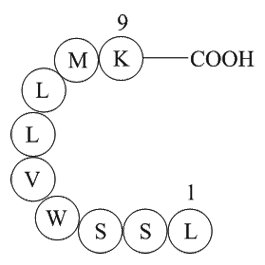
GK allosteric activators validate the importance of GK from a therapeutic perspective, but the nature of allosteric activation of GK remains unclear. The GK allosteric activator site, the pocket where GKAs bind, is ~20 Å remote from the active site (Fig. 1A). The allosteric site is the locus of many
-
How do myofibroblast sources compare between bone marrow and
2022-04-01
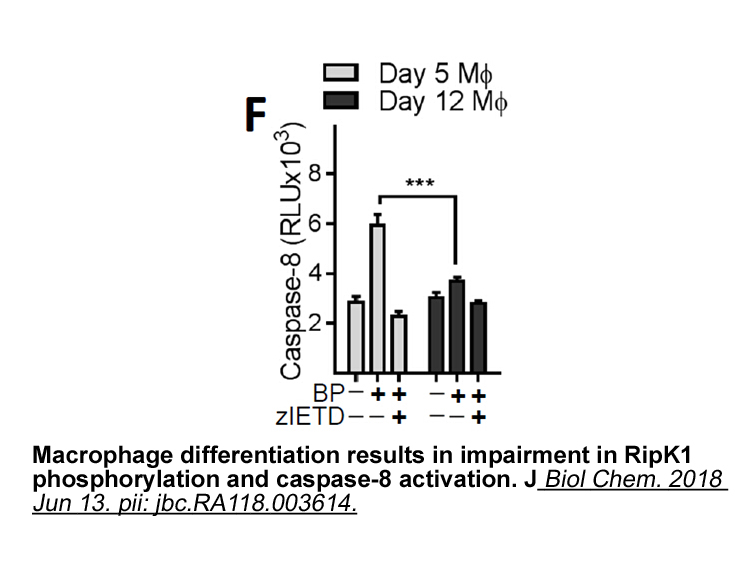
How do myofibroblast sources compare between bone marrow and other organs? Perivascular phenethyl australia with MSC properties significantly contribute to fibrosis in muscle, fat, skin, heart, kidney, lung, and liver (reviewed in Iwayama et al., 2015) and activate Gli1 in many of these organs (Kra
-
br Materials and methods br Results
2022-04-01
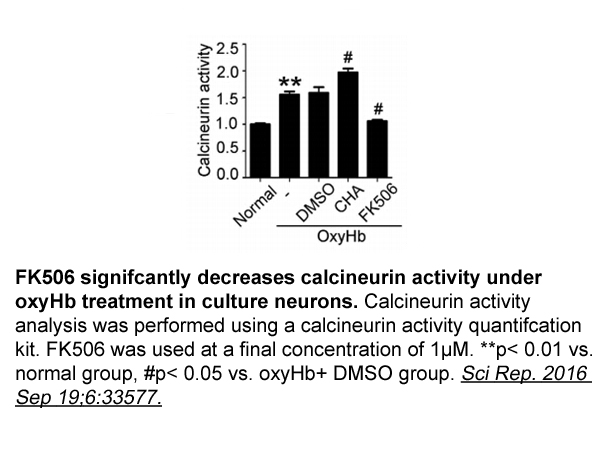
Materials and methods Results Discussion Ghrelin is reported to regulate a number of processes related to cancer progression including tumor cell proliferation, apoptosis and metastasis [3,7,[15], [16], [17], [18], [19], [20], [21], [22]]. In the present study, we examined the potential eff
-
br Introduction The growth hormone secretagogue
2022-04-01
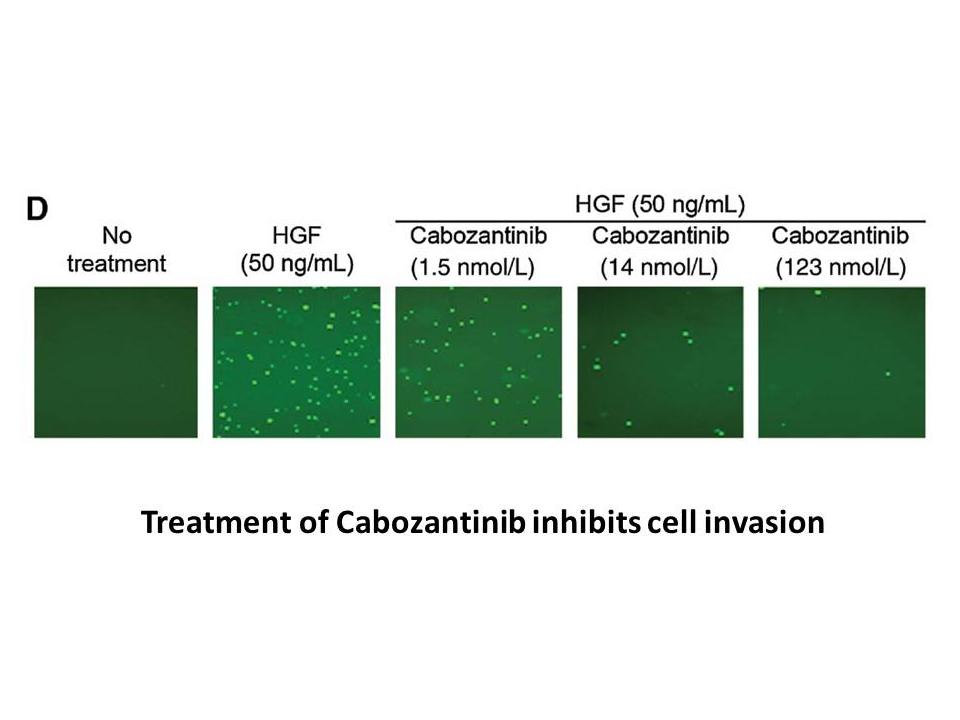
Introduction The growth hormone secretagogue receptor (GHSR) gene, which was first isolated from rats and humans (Kojima et al., 1999), comprises two exons and one intron in mammals and chicken. The pig GHSR is located on chromosome 13 (range 110,981,465–111,006,149 on Reference Sscrofa11.1). Alt
-
UCB 35625 synthesis br Materials and methods br
2022-04-01
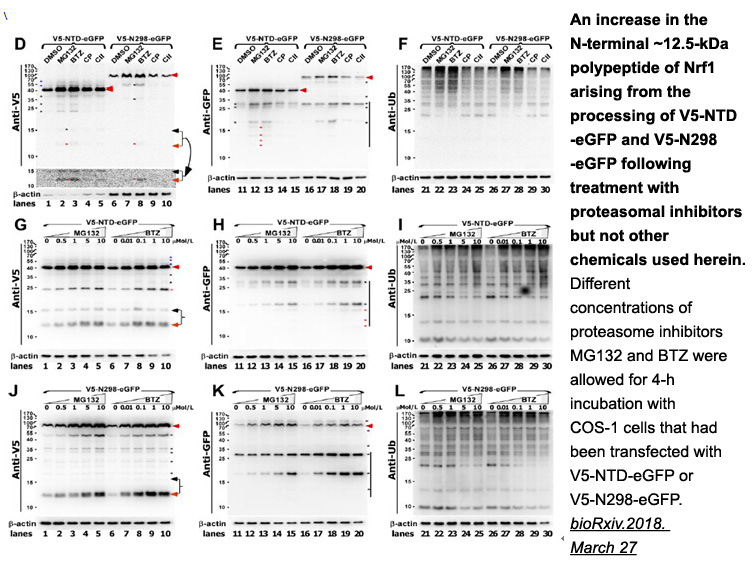
Materials and methods Results Discussion BTB, as a necessary structure for the spermatogenic epithelium, provides an important internal environmental for spermatogenesis and its disruption leads to male infertility (Qiu et al., 2016). GJs and TJs which are mainly components of BTB play esse
8611 records 520/575 page Previous Next First page 上5页 516517518519520 下5页 Last page