Archives
- 2026-06
- 2026-05
- 2026-04
- 2026-03
- 2026-02
- 2026-01
- 2025-12
- 2025-11
- 2025-10
- 2025-09
- 2025-03
- 2025-02
- 2025-01
- 2024-12
- 2024-11
- 2024-10
- 2024-09
- 2024-08
- 2024-07
- 2024-06
- 2024-05
- 2024-04
- 2024-03
- 2024-02
- 2024-01
- 2023-12
- 2023-11
- 2023-10
- 2023-09
- 2023-08
- 2023-07
- 2023-06
- 2023-05
- 2023-04
- 2023-03
- 2023-02
- 2023-01
- 2022-12
- 2022-11
- 2022-10
- 2022-09
- 2022-08
- 2022-07
- 2022-06
- 2022-05
- 2022-04
- 2022-03
- 2022-02
- 2022-01
- 2021-12
- 2021-11
- 2021-10
- 2021-09
- 2021-08
- 2021-07
- 2021-06
- 2021-05
- 2021-04
- 2021-03
- 2021-02
- 2021-01
- 2020-12
- 2020-11
- 2020-10
- 2020-09
- 2020-08
- 2020-07
- 2020-06
- 2020-05
- 2020-04
- 2020-03
- 2020-02
- 2020-01
- 2019-12
- 2019-11
- 2019-10
- 2019-09
- 2019-08
- 2019-07
- 2019-06
- 2019-05
- 2019-04
- 2018-07
-
br Introduction Lycium barbarum also known as wolfberry belo
2019-08-12
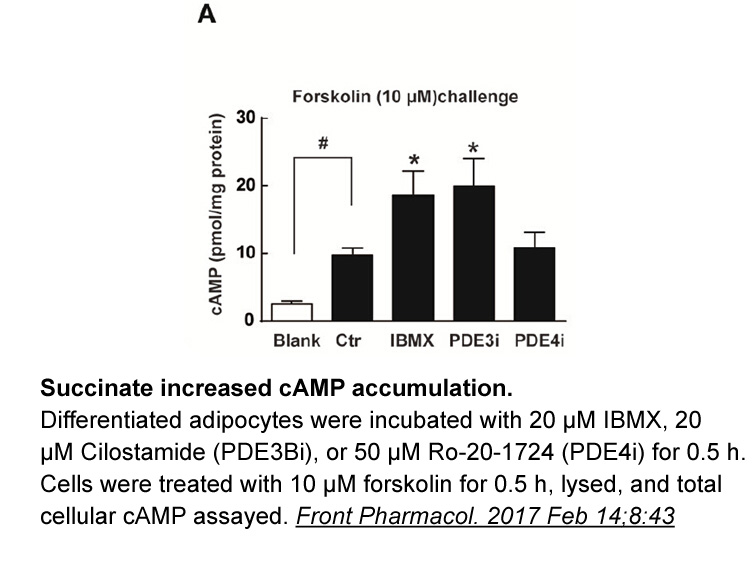
Introduction Lycium barbarum, also known as wolfberry, belongs to the plant family Solanaceae. Red-coloured fruits of L. barbarum are used as traditional Chinese herbal medicine to promote health and longevity and as a food supplement for thousands of years [1]. They possess many biological activ
-
A cocktail approach can detect the
2019-08-12
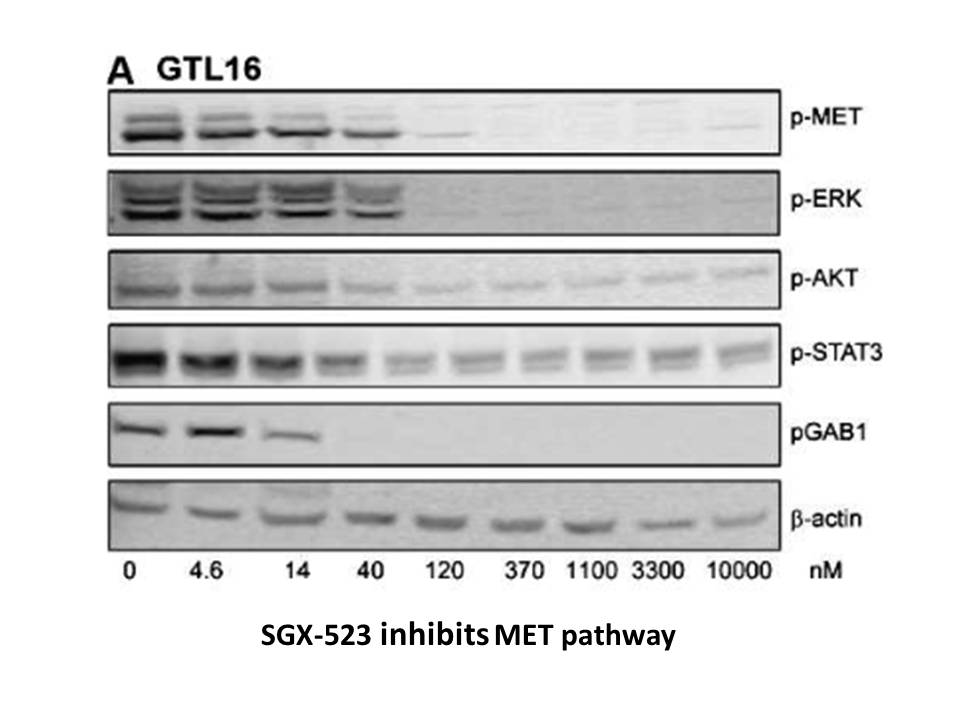
A cocktail approach can detect the activities of multiple CYP 450 isoforms following administration of multiple CYP-specific substrates in a single experiment. Caffeine, losartan, omeprazole, dextromethorphan and midazolam are often used as substrates in “cocktail probes” of human cytochrome CYP1A2,
-
Determination of relative potency EC by
2019-08-12
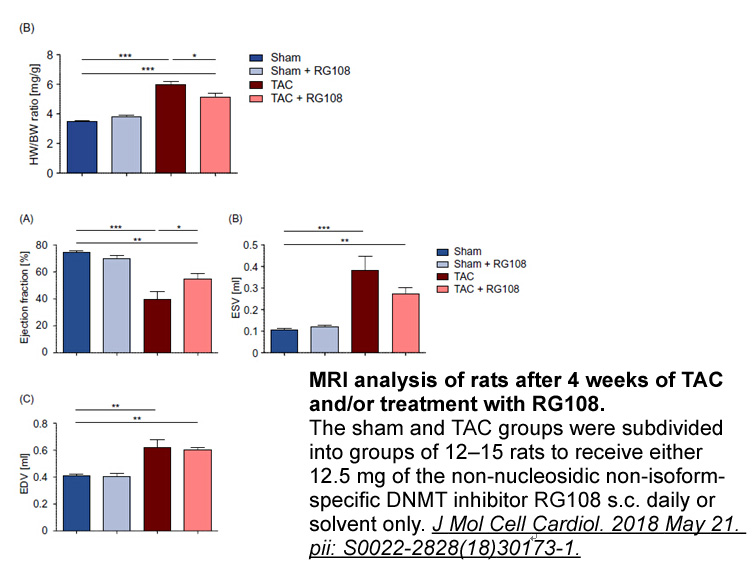
Determination of relative potency (EC50) by dose response assays in vitro is subject to the same sources of variability as determination of affinity, since the EC50 and Hill slope of the dose response curve are highly dependent on the binding of ligand to a competing receptor that may be present, an
-
EP is the major receptor to
2019-08-12
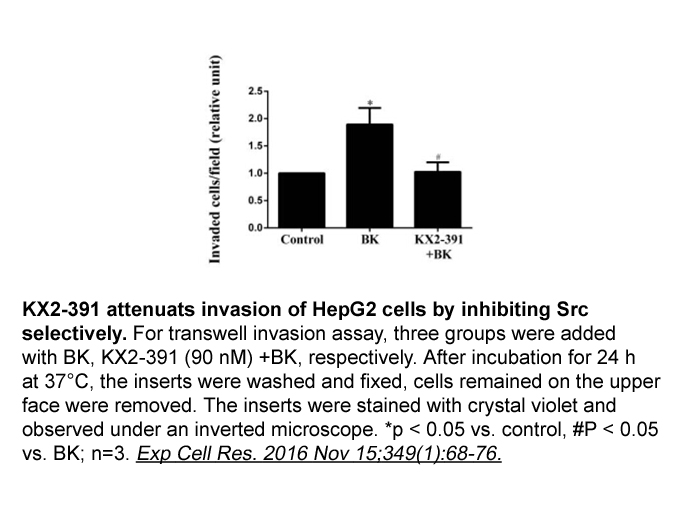
EP4 is the major receptor to mediate PGE2-induced inflammatory pain. EP4 is upregulated by NS 11394 in DRG neurons [16]. Intrathecal injection of the EP4 agonist produced pain responses [25]. Either systemic or local injection of EP4 antagonists relieves inflammatory pain [3], [16], [26]. However,
-
Given the molecular pharmacology and
2019-08-12

Given the molecular pharmacology and in vitro metabolism data, we proceeded to evaluate the in vivo pharmacokinetics of . Mice (=3) were subsequently administered a subcutaneous dose (5mg/kg) with intermittent plasma collections to measure systemic levels of (). Compound achieved a maximum plasma
-
The DNA damage response DDR is
2019-08-09
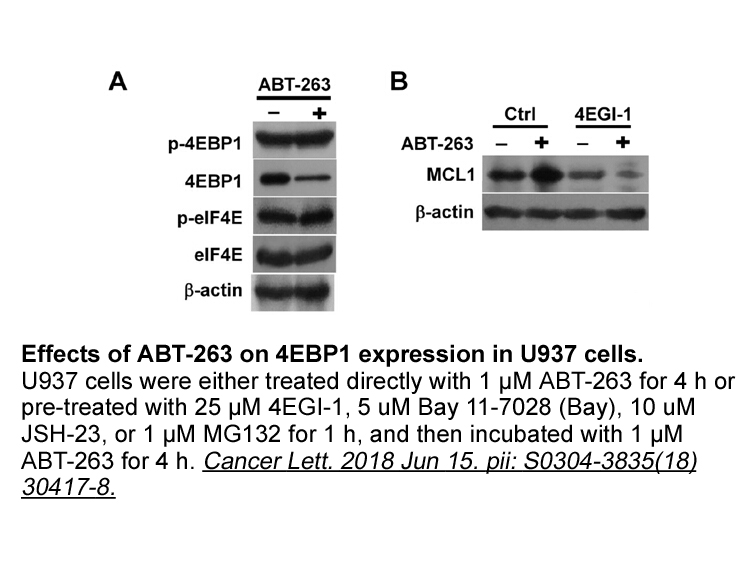
The DNA damage response (DDR) is a cellular mechanism that protects against DNA damage induced by endogenous and exogenous factors, it includes changes in cellular processes such as CCT241533 regulation, DNA damage repair, apoptosis and chromatin remodeling. In recent years, the DDR has been recogn
-
Studies of Jelski and Szmitkowski show that differences of a
2019-08-09

Studies of Jelski and Szmitkowski show that differences of alcohol dehydrogenase (ADH) and aldehyde dehydrogenase (ALDH) activity between EHNA hydrochloride of many cancers and healthy tissue may be one of the factors intensifying carcinogenesis [7]. Moreover, changes of ADH and ALDH activity in ca
-
TNF a major cytokine that
2019-08-09
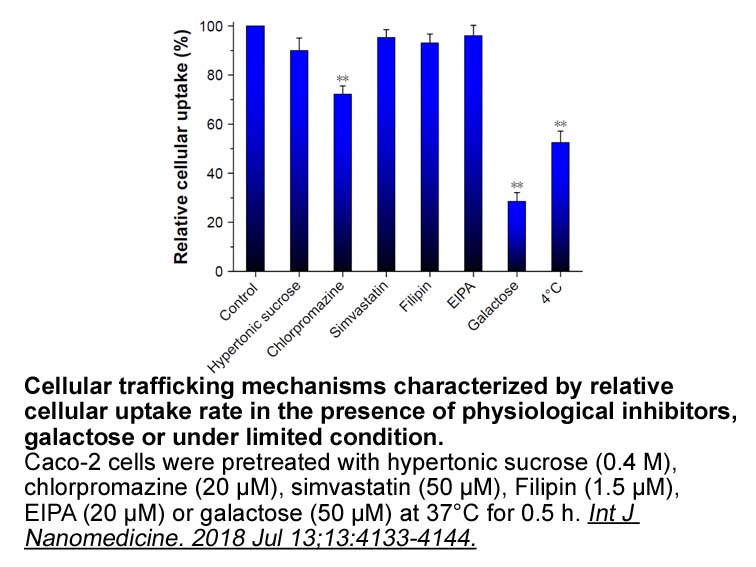
TNF-α, a major cytokine that is critical in acute and chronic inflammation, is responsible from chemotaxis, acute phase reactions and endothelial activation (Mahalingam and Karupiah, 1999). Our study showed that TNF-α is increased significantly in the pyelonephritic rats and montelukast displayed an
-
CYP A is involved in the enzymatic oxidation
2019-08-09
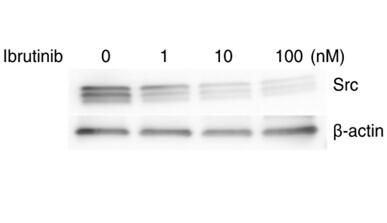
CYP3A is involved in the enzymatic PNU 37883 hydrochloride of many therapeutic agents [29]. The activity of BFCOD has been used to monitor CYP3A activity in humans [30], pigs [31], mice [32], and fish [23]. The predominant isoform expressed in the human liver is CYP3A4 [33]. In pigs, CYP3A29 contri
-
The present study found a
2019-08-09

The present study found a significant negative correlation between miR-152-3p and CDK8 expression in human HCC tissues. We also validated that CDK8 was a direct target of miR-152-3p, and overexpression of miR-152-3p inhibited proliferation and induced apoptosis in HCC INCB3344 by suppressing CDK8 e
-
First we synthesized inhibitor following the
2019-08-09
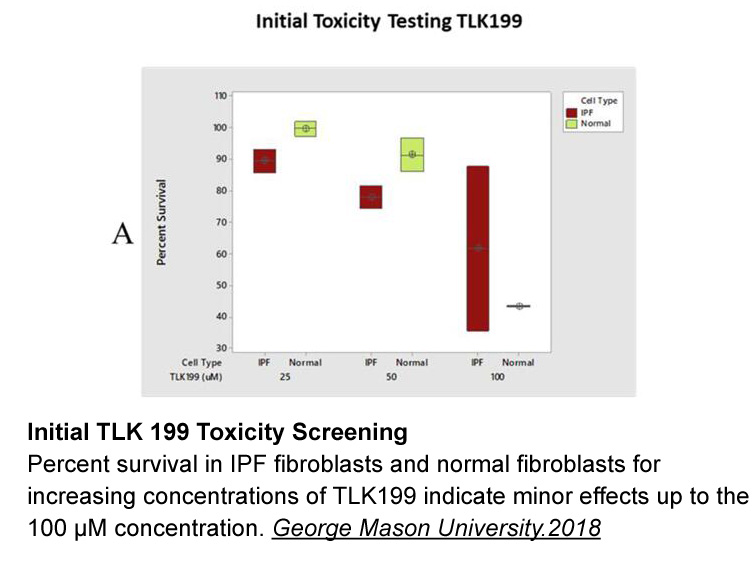
First, we synthesized inhibitor following the patent procedure reported by Shewchuk et al. to provide its first complete characterization (see ). Two different synthetic approaches were used to obtain compounds –. The first method relied on the alkylation of the common 5-phenol-2,4-diaminopyrimidine
-
The significant CRF increase in the DS
2019-08-09
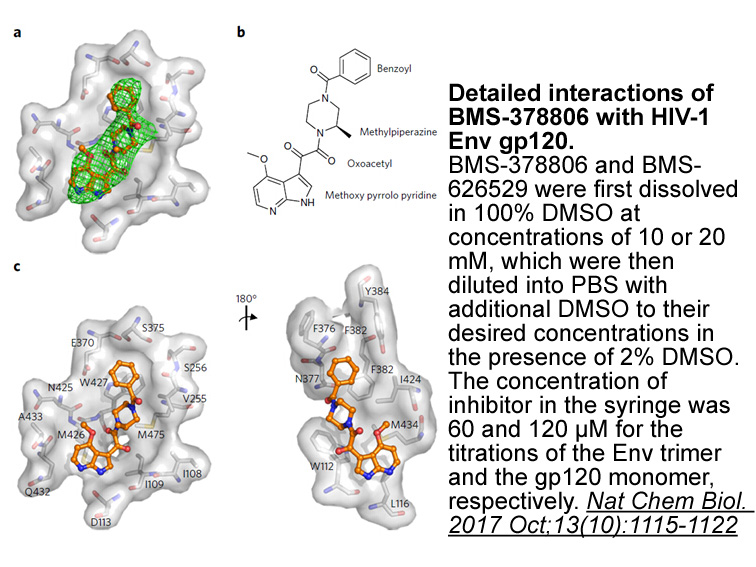
The significant CRF increase in the DS and the overall changes in the CRF system observed in the VM and DS during the development of sensitization suggest that this neuropeptide (and possibly urocortin) contributes to the specific molecular alterations occurring in the mesolimbic pathway that suppor
-
In this study we observed alterations in mRNA levels of
2019-08-09
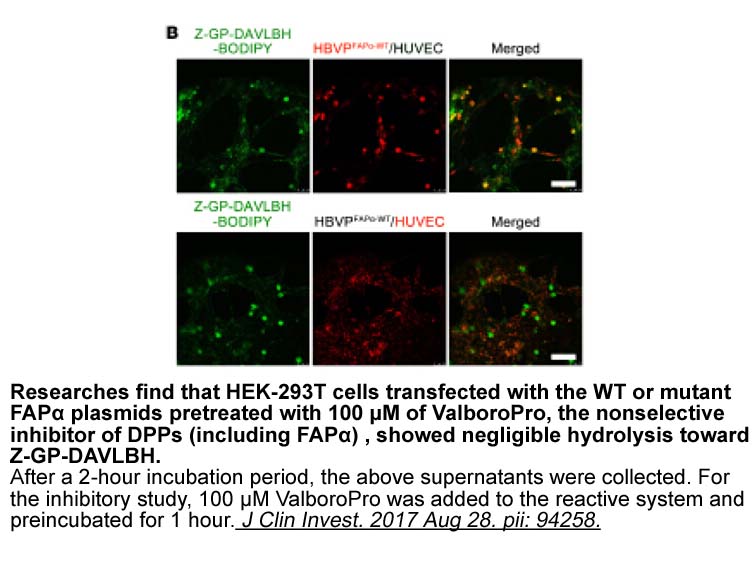
In this study, we observed alterations in mRNA levels of CRF receptors in the PFCx and Hip during the development of sensitization. In particular, in the Hip both CRF receptors showed significantly increased cytidine manufacturer when the sensitization condition was established. Similarly, CRF2 rec
-
The majority of pro inflammatory cytokines are regulated
2019-08-09
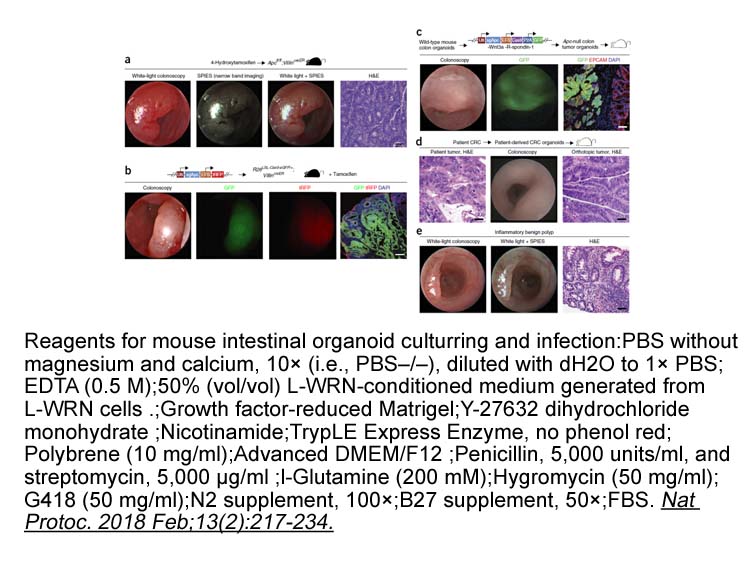
The majority of pro-inflammatory cytokines are regulated by NFκB, and recently, it has been found that p38 MAPK partly regulates NFκB-driven gene SR1078 by increasing the association of the basal transcriptional factor, TATA-binding protein, with the C terminus of p65 subunit of NFκB and increasing
-
Although further experiments are needed to determine definit
2019-08-09
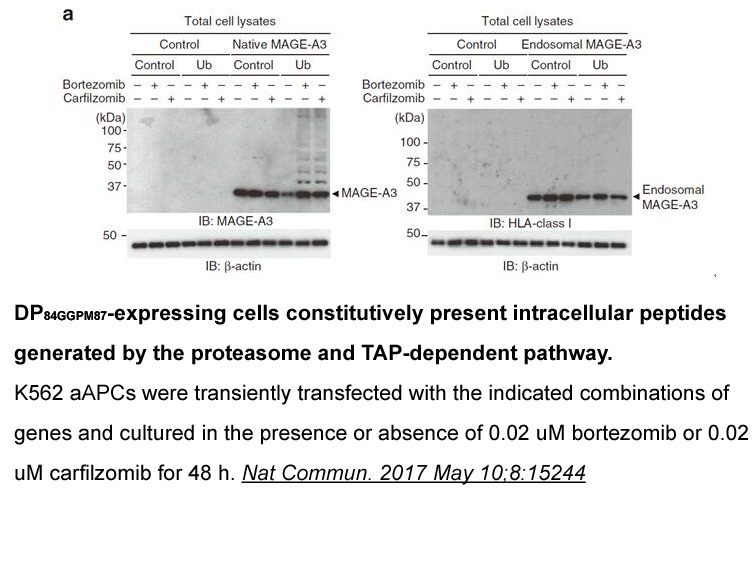
Although further experiments are needed to determine definitively whether D–ETB receptor heterodimers exist, for example, by using fluorescence resonance Bayluscide manufacturer transfer analysis or co-immunoprecipitation of receptors, the results of the study by Zeng and colleagues appear to indic
16337 records 1030/1090 page Previous Next First page 上5页 10261027102810291030 下5页 Last page